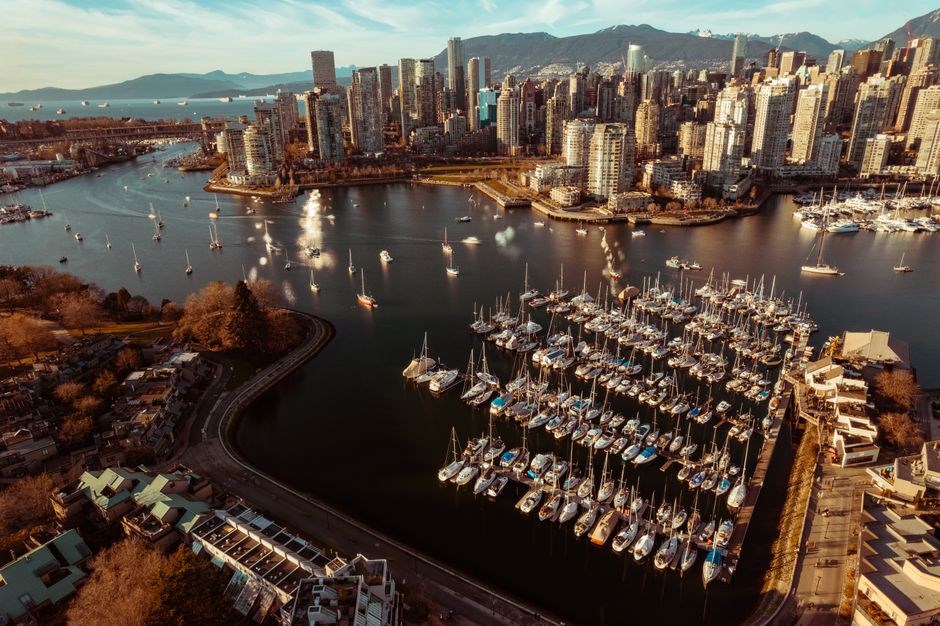
Vancouver: The Pacific Jewel of Canada
Vancouver shines as Canada’s Pacific jewel, and the 2023 & 2024 travel guides by Alexander Jones and Evelyn Blair reveal its vibrant streets, hidden gems, and iconic landmarks․ These books offer insider tips, maps, and vivid photography to help travelers craft unforgettable adventures․ Enjoy diverse cuisine․ 2026

Geography and Natural Landscape
Vancouver sits on the southwestern coast of British Columbia, where the Pacific Ocean meets the rugged Coast Mountains․ The city’s geography is a tapestry of steep hills, dense temperate rainforests, and a network of waterways that carve the urban landscape․ The shoreline stretches nearly 60 km, offering sandy beaches, rocky coves, and tidal flats that support a rich marine ecosystem․ Surrounding peaks, including the North Shore and the distant Coast Range, rise above 2,000 m, creating dramatic vistas and a natural backdrop for outdoor recreation․ Vancouver’s climate is oceanic, with mild, wet winters and cool, dry summers․ Average temperatures range from 4 °C in January to 20 °C in July, while annual precipitation averages 1,200 mm, concentrated in winter․ The city’s topography has shaped its compact, transit‑oriented layout, maximizing green space․ Parks such as Queen Elizabeth Park, perched on a hill, showcase terraced gardens and panoramic views of the landscape․ The extensive network of parks and greenways, including the famous seawall that follows the shoreline, provides residents and visitors direct access to nature․ Vancouver’s natural environment hosts diverse wildlife—from gray whales and harbor seals along the coast to black bears and eagles in nearby forests․ The interplay between ocean, mountains, and forest creates a unique microclimate that supports plant species such as Douglas fir, western red cedar, and ferns thriving in the damp understory․ This blend of geological features and climatic conditions makes Vancouver a prime destination for nature lovers, hikers, and photographers seeking dramatic landscapes and vibrant ecosystems․ Discover hidden trails!
Iconic Landmarks and Attractions
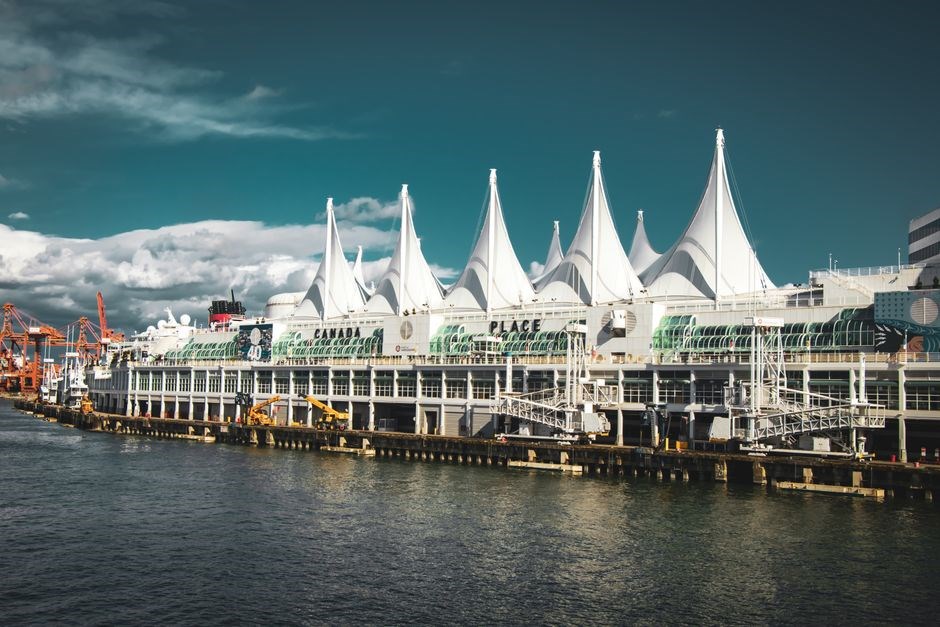
Vancouver’s skyline glows with landmarks like the historic Harbour Centre, the vibrant Canada Place, and iconic Capilano Suspension Bridge․ The guide details each site’s history, best viewing spots, and nearby eateries, ensuring travelers capture the city’s essence․ Guide for travelers seeking authentic adventures․!!
Stanley Park and Seawall
Stanley Park, Vancouver’s crown jewel, spans 400 acres of forest, gardens, and shoreline, offering a living laboratory of Pacific Northwest ecology․ The Seawall, a 9‑mile loop around the park, is the world’s longest uninterrupted waterfront path, attracting cyclists, joggers, and pedestrians alike․ A stroll from the Vancouver Convention Centre to the Vancouver Aquarium showcases the park’s diverse habitats: towering Douglas firs, rhododendron beds, and the iconic totem poles of the First Nations․ The seawall’s gentle gradient provides panoramic views of the North Shore mountains, downtown skyline, and the distant Pacific Ocean, making it a photographer’s paradise․ For families, the playgrounds and the interactive “Kids’ Garden” invite exploration, while the park’s numerous benches and shaded pavilions offer respite․ The park’s cycling enthusiasts can tackle the 12‑mile “Bike Trail” that loops through the park’s interior, passing the historic Vancouver Lookout and the scenic “Seawall Promenade․” The Seawall’s proximity to the waterfront also gives easy access to the Vancouver Aquarium, where visitors can observe marine life from the “Underwater Tunnel․” For those seeking adventure, the park’s “Treetop Adventure” and “Zip‑line” experiences provide a thrilling perspective of the forest canopy․ In the winter, the Seawall transforms into a popular skating route, and the park’s trails become a haven for cross‑country skiers․ The park’s cultural significance is highlighted by the “Stanley Park Museum,” which chronicles the area’s history from indigenous stewardship to modern conservation efforts․ Whether you’re a local or a first‑time visitor, Stanley Park and the Seawall offer a blend of natural beauty, recreational opportunities, and cultural insight that encapsulates Vancouver’s identity as a vibrant, green metropolis․
Throughout the year, Stanley Park hosts numerous festivals, including the annual “Summer Music Series,” the “Vancouver Pride Parade,” and the “Stanley Park Film Festival․” The park’s volunteer program, “Friends of Stanley Park,” maintains trails, cleans beaches, and educates visitors on sustainable practices․ The park’s eco‑friendly initiatives, such as the “Green Path” signage and the “Recycling Stations,” reflect Vancouver’s commitment to environmental stewardship․ These efforts ensure that Stanley Park remains a pristine, accessible sanctuary for generations to come!!

Culture and Arts Scene
Vancouver’s cultural tapestry weaves together Indigenous heritage, immigrant narratives, and contemporary creativity․ The city’s art districts—Kitsilano, Gastown, and the Downtown Eastside—host galleries such as the Vancouver Art Gallery, which showcases Canadian and international exhibitions, and the contemporary “Vancouver Contemporary Art Centre․” The annual “Vancouver International Film Festival” attracts filmmakers worldwide, while the “Vancouver Fringe Festival” offers experimental theatre and performance art․ Music thrives in venues like the historic “The Vogue” and the “Blue Note,” featuring jazz, indie, and world music․ The “Vancouver Symphony Orchestra” performs at the “Queen Elizabeth Theatre,” and the “Vancouver Opera” stages productions in the “Orpheum Theatre․” Cultural institutions such as the “Museum of Anthropology” at UBC preserve First Nations artifacts, and the “Science World” engages audiences with interactive science exhibits․ Street art flourishes in the “Granville Island” area, where murals and installations reflect the city’s multicultural ethos․ Culinary arts intersect with cultural expression; food festivals like “Vancouver Food Expo” celebrate Pacific Rim flavors, and the “Vancouver Farmers Market” showcases local produce․ Community arts programs—“Vancouver Youth Arts” and “Community Arts Vancouver”—provide workshops, residencies, and public art projects, fostering inclusive participation․ The city’s public art installations, such as the iconic “Vancouver Mural Project” and the “Sculpture Garden at the Vancouver Convention Centre,” invite interaction and community storytelling․ Additionally, the “Vancouver International Dance Festival” showcases contemporary choreography, while the “Vancouver Street Dance Collective” brings hip‑hop and breakdance to the streets․ Local media outlets, including the “Vancouver Sun” and “CBC Vancouver,” cover cultural events, ensuring widespread visibility․ Educational institutions like the Emily Carr University of Art and Design nurture emerging talent, offering courses in fine arts, filmmaking, and digital media․ The city’s inclusive policies support artists from marginalized communities, providing grants and residencies through the “Vancouver Arts Council․” Moreover, the city’s vibrant nightlife features rooftop bars, underground clubs, and live‑music venues that showcase local talent․ The annual “Vancouver Arts & Culture Festival” brings together visual artists, musicians, and writers for workshops, performances, and exhibitions, fostering cross‑disciplinary collaboration․ Vancouver’s commitment to accessibility ensures that most cultural institutions offer free admission days, multilingual guides, and adaptive programs for visitors with disabilities․ The city also hosts a literary scene, with bookstores like “The Bookshop” and reading series that celebrate Canadian authors!!
Vancouver’s culinary scene is a mosaic of Pacific Rim flavors, farm‑to‑table freshness, and innovative fusion․ The city’s waterfront restaurants, such as “The Fish House” and “Seafood Bistro,” serve sustainably sourced salmon, halibut, and local shellfish, often paired with artisanal cocktails․ In the heart of Gastown, “The Spice Market” offers bold Indian curries and aromatic teas, while “Sushi Sakura” delivers omakase courses that showcase the region’s prized cedar‑smoked tuna․ The “Vancouver Farmers Market” provides seasonal produce, artisanal cheeses, and homemade preserves, inspiring pop‑up eateries and food trucks that roam the city․ The city’s Asian community thrives in neighborhoods like Chinatown, where “Dim Sum House” and “Peking Duck House” offer classic Cantonese dishes, and “Korean BBQ Plaza” invites diners to grill marinated meats at their tables․ Vancouver’s craft beer scene is equally vibrant, with micro‑breweries such as “Steamworks Brewery” and “Horizon Alehouse” producing hoppy IPAs and rich stouts, complemented by a growing selection of vegan and gluten‑free options․ Dessert lovers can indulge in “Maple Bliss Bakery,” which crafts artisanal pastries infused with local maple syrup, or “ChocoLuxe,” a chocolate atelier that creates truffles featuring sea‑salted caramel and smoked seaweed․ The city’s culinary festivals—“Vancouver Food Expo,” “Pacific Rim Food Fair,” and “Harvest Festival”—offer immersive tastings, cooking demonstrations, and wine pairings, allowing visitors to explore the region’s diverse palate․ Vancouver’s commitment to sustainability is reflected in its emphasis on locally sourced ingredients, eco‑friendly packaging, and waste‑reduction initiatives, ensuring that every bite supports the community and the environment․ Local markets buzz with produce, creating a vivid food culture
Outdoor Activities and Parks
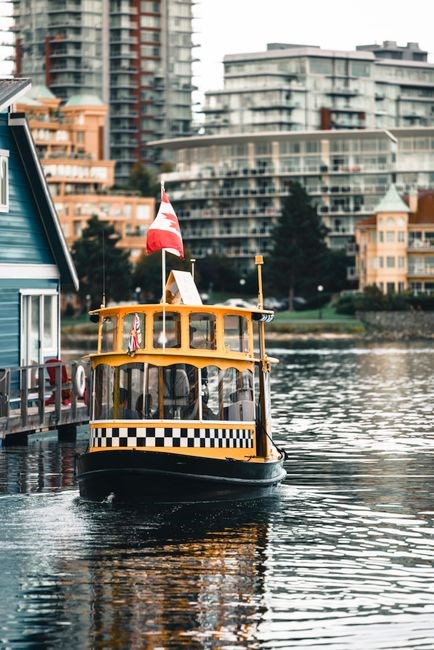
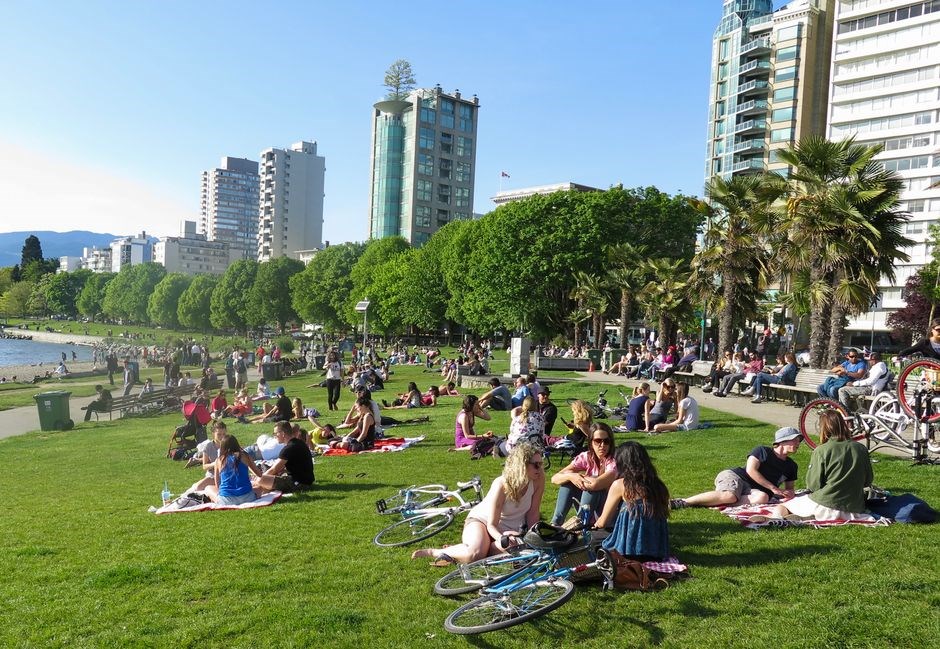
Vancouver’s outdoor scene is a playground for adventure seekers and nature lovers alike․ The city’s parks, from the sprawling Stanley Park to the serene VanDusen Botanical Garden, offer hiking, cycling, and kayaking opportunities․ Stanley Park’s Seawall provides a 9‑mile loop with panoramic views of the harbor and mountains, while the park’s trails, such as the Coal Harbour Trail, invite leisurely strolls through lush forests․ Grouse Mountain, accessible by Skyride, offers year‑round activities: summer hiking, mountain biking, and wildlife encounters; winter transforms into a ski resort with snow‑shoeing and sledding․ Capilano Suspension Bridge Park blends a thrilling walk across the 70‑meter bridge with a forest canopy walk and a treetop adventure․ The city’s urban parks, including Queen Elizabeth Park and Vanier Park, feature botanical gardens, playgrounds, and community gardens that showcase local flora․ For water enthusiasts, Kitsilano Beach and English Bay provide surfing, paddle‑boarding, and beach volleyball․ The nearby Lynn Canyon Park offers a free suspension bridge and waterfalls, while the Pacific Spirit Regional Park presents over 60 km of trails for hiking, cycling, and wildlife spotting․ Vancouver’s commitment to green spaces ensures that residents and visitors can explore diverse ecosystems—from coastal dunes to alpine ridges—without leaving the city limits․
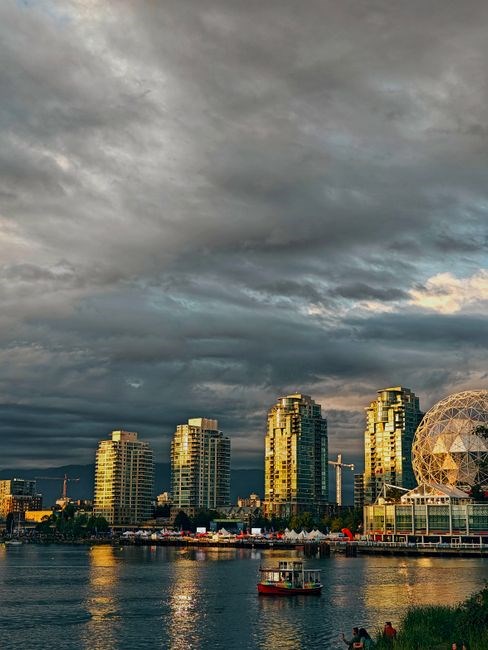
Beyond the well‑known trails, Vancouver’s pocket parks, like Lonsdale Quay Gardens and Olympic Village Green, offer quiet urban oases for picnics, yoga, and community events․ These green spaces, featuring native plantings and art, showcase sustainable design and give visitors a calm escape from city life․ Enjoy adventure․
Accommodation and Hospitality
Vancouver’s lodging scene blends luxury, boutique charm, and eco‑friendly options, catering to every traveler’s taste․ In downtown, the Fairmont Pacific Rim offers opulent suites with panoramic harbor views, while the nearby Pan Pacific Vancouver delivers modern elegance and a rooftop pool overlooking the city skyline․ For those seeking a boutique experience, the Hotel Baldwin in the historic Gastown district features art‑inspired rooms and a renowned rooftop bar that showcases the city’s vibrant nightlife․
Eco‑conscious travelers will appreciate the Oko Hotel, a certified green boutique property in the West End that incorporates recycled materials, solar panels, and a rooftop garden․ The hotel’s commitment to sustainability extends to its locally sourced menu, offering farm‑to‑table cuisine that highlights Pacific Northwest flavors․ Meanwhile, the Fairmont Baldwin’s culinary program, led by a Michelin‑starred chef, showcases seasonal ingredients in a refined setting․
Budget‑friendly options abound in neighborhoods like Kitsilano and Mount Pine, where hostels such as the HI Vancouver Downtown provide shared dorms and private rooms with communal kitchens, fostering a social atmosphere for solo travelers․ For families, the Vancouver Family Hotel in the South Granville area offers spacious suites, a heated indoor pool, and a dedicated kids’ play area, ensuring comfort and convenience․
Short‑term rentals, listed on platforms such as Airbnb and Vrbo, offer a wide range of apartments and houses, from lofts in the trendy Yaletown district to cozy cottages in the nearby suburbs․ Many of these rentals feature private balconies, fully equipped kitchens, and access to community amenities like shared gyms and laundry facilities․
Across the city, hospitality extends beyond lodging․ Local bed‑and‑breakfasts, such as the charming Glen Glen in the historic Fairview neighborhood, provide personalized service, homemade breakfasts, and a warm, intimate atmosphere․ These inns often collaborate with nearby farmers’ markets, offering guests fresh produce and artisanal goods․
Whether you’re looking for a five‑star resort, a boutique hotel, or a budget hostel, Vancouver’s accommodation landscape is as diverse as its cultural tapestry, ensuring every visitor finds a home away from home․
Transportation and Getting Around
Vancouver’s transit network blends efficiency and sustainability․ The SkyTrain’s Expo, Millennium, and Canada Line connect downtown with the airport, West End, and suburbs, operating from 5 am to 1 am with frequent service․ A single fare covers all lines, and day passes provide unlimited travel across SkyTrain, buses, and SeaBus․
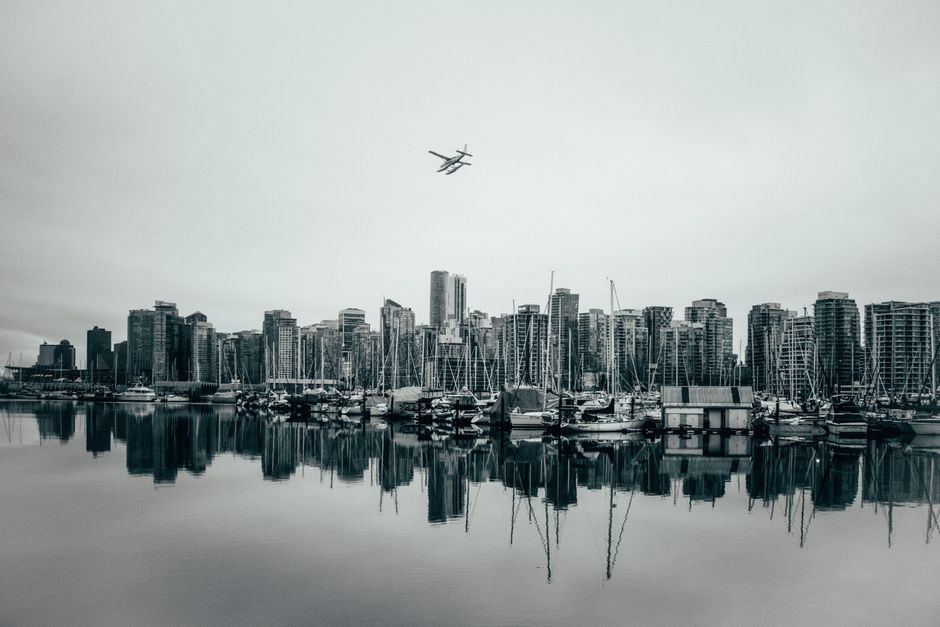
TransLink’s bus system serves the entire metro area, offering routes to neighborhoods the SkyTrain does not reach․ SmartCard tickets are available at stations, vending machines, or online․ The Harbour Bus provides scenic coastal tours, while the Seawall offers a 9‑km pedestrian and bike path with stunning harbor views․ Dedicated bike lanes crisscross the city, connecting key hubs and parks․
Bike Share, Velo, offers dockless bicycles citywide; the first 30 minutes are free, then a modest fee applies․ For personal travel, taxis, Uber, and Lyft are plentiful, with surge pricing during peak times․ Airport shuttles and car rentals connect YVR to downtown via the Canada Line․
Pedestrian‑friendly streets and well‑marked bike lanes encourage walking and cycling․ The city’s commitment to green transport is evident in its extensive bike network and electric bus fleet, making Vancouver a leader in sustainable mobility․
Accessibility is a priority; all SkyTrain stations and most buses feature elevators, ramps, and priority seating․ The TransLink app provides real‑time schedules, route planning, and fare payment, making navigation straightforward for locals and visitors alike․
Parking is limited downtown; paid lots and street meters are common․ Car‑sharing services like Zipcar and Mobi offer convenient short‑term rentals, and electric vehicle charging stations are increasingly available throughout the city․ Overall, Vancouver’s integrated transport system ensures seamless mobility for all travelers․
Practical Travel Tips
Pack layers for Vancouver’s microclimate; rain gear is essential․ Buy a day pass for TransLink to save on travel․ Check the city’s free event calendar for festivals․ Bring a reusable bottle; the city promotes sustainability․ Stay alert in tourist spots․ Remember to carry a power bank for your devices․ Enjoy!
Visas, Currency, and Safety Advice
Before visiting Vancouver, confirm your visa status․ Citizens of the U․S․, EU, Australia, and many others can enter Canada for tourism up to 6 months without a visa, but they must have a valid passport and, for some, an Electronic Travel Authorization (eTA)․ Travelers from countries requiring a visa must apply through the Canadian embassy or consulate well in advance․ The Canadian dollar (CAD) is the local currency; credit cards are widely accepted, but small businesses and some remote areas prefer cash․ ATMs are plentiful throughout the city, and most accept foreign cards with a small fee․ Keep a backup card in a separate location․ Vancouver is generally safe; however, standard urban precautions apply․ Avoid isolated back alleys after dark, keep valuables out of sight, and be cautious of pickpockets in crowded tourist spots․ The city’s police presence is strong, and emergency services are reliable․ For health, carry a small first‑aid kit and any prescription medication in its original packaging․ The public health system is robust, but tourists should consider travel insurance covering medical evacuation․ Finally, stay informed about local advisories, especially during wildfire season when air quality can deteriorate․ By planning visas, managing currency, and observing safety guidelines, you can enjoy a smooth, secure stay in Vancouver․ When exchanging currency, use reputable banks or the airport kiosks; avoid street exchangers․ For large sums, consider a prepaid travel card to lock in rates․ The city’s public transit system, TransLink, offers a daily pass that includes buses, SkyTrain, and SeaBus, making it cost‑effective; For safety, register with the embassy upon arrival; they can assist in emergencies․ Vancouver’s neighborhoods vary; downtown is bustling, while suburbs like North Vancouver offer quieter streets․ Always check local news for any events that might affect traffic or public transport․ The city’s emergency number is 911, and non‑emergency police inquiries can be made at 311․ By staying vigilant and prepared, you’ll navigate Vancouver confidently․

Hidden Gems and Insider Tips
Vancouver’s best‑kept secrets lie just beyond its famed sights․ Start atGranvilleIsland’sPublicMarket,where artisans sell fresh produce and handmade crafts; the island’s theatre and art studios rarely draw crowds․ Wander the quiet lanes of historic Kitsilano, spotting mural‑filled alleyways that showcase local talent․ For a panoramic view, hike the modest trail to Vancouver Lookout, offering a 360° vista of city, mountains, and ocean—especially striking at sunset․ The VanDusen Botanical Garden hides a secret greenhouse open only on select evenings for guided tours․ In Chinatown, explore the underground tunnel network that once sheltered residents during the 1906 fire; guided tours run on weekends․ Foodies should try the small, family‑run Korean BBQ joint in East Vancouver, where the menu changes daily with seasonal ingredients․ Take the SeaBus to Bowen Island and hike secluded trails overlooking the Pacific․ Insider tip: purchase a day pass for TransLink public transit; it includes buses, SkyTrain, and SeaBus, saving money and time․ Book tickets for Capilano Suspension Bridge Park online to avoid long lines․ Arrive early for the best light at the park․ Don’t miss the hidden cafés of the West End where locals sip craft coffee while watching street musicians and the nearby parks offer spots reflection ․!!
Recommended Reading and Resources
For travelers seeking depth, the 2023 edition by Alexander Jones offers a comprehensive map of Vancouver’s neighborhoods, complete with hidden cafés, art galleries, and seasonal events․ Evelyn Blair’s 2024 guide expands on local history, providing anecdotes from long‑time residents and insider tips for off‑beat itineraries․ Lonely Planet’s classic city guide remains a staple, featuring up‑to‑date public‑transport schedules, safety advisories, and a curated list of must‑visit museums; The official Vancouver Tourism website delivers real‑time updates on festivals, road closures, and weather alerts, while the TransLink mobile app gives live bus, SkyTrain, and SeaBus information․ For those who prefer digital maps, the Vancouver Open Data portal offers downloadable GIS layers of bike lanes, parks, and heritage sites․ Finally, the Vancouver Public Library’s digital collection hosts archival photographs and oral histories that illuminate the city’s evolution․ Together, these resources equip visitors with the knowledge to explore Vancouver beyond the typical tourist trail․ Readers can also consult the Vancouver Heritage Society’s online archive, which features digitized newspapers and photographs from the early 1900s, offering context for the city’s rapid growth․ For travelers on a budget, the city’s community bulletin board and local Facebook groups provide free event listings and neighborhood meet‑ups․ Finally, the Vancouver International Airport’s travel desk provides multilingual assistance and up‑to‑date flight schedules, ensuring a smooth arrival and departure․
Future Trends in Vancouver Tourism
Vancouver’s tourism trajectory is pivoting toward sustainable, tech‑driven, and culturally immersive experiences․ Climate‑resilient infrastructure—green rooftops, solar‑powered transit, expanded bike‑share networks—will become standard, aligning with the city’s 2030 carbon neutrality pledge․ Digital engagement is set to rise; augmented‑reality overlays on historic sites, AI‑curated itineraries, and real‑time crowd‑sensing apps will personalize visits․ The culinary scene will diversify further, with farm‑to‑table pop‑ups and virtual cooking classes connecting diners to Indigenous and immigrant food traditions․ Eco‑tourism will flourish in the surrounding mountains and coastal zones, offering guided glacier hikes, whale‑watching tours, and marine‑conservation workshops that emphasize low‑impact practices․ Cultural festivals will broaden to include digital art installations and immersive theater, reflecting Vancouver’s growing creative economy․ Accommodation trends point to modular, pop‑up lodgings and co‑living spaces that blend hospitality with community․ Finally, the city’s commitment to inclusivity will drive multilingual, accessible tourism products, ensuring that visitors of all backgrounds can navigate and enjoy the Pacific Jewel․ Emerging tech hubs will host hackathons, fostering collaborations between local startups and global innovators․ The waterfront will transform into a mixed‑use promenade, integrating public art, pop‑up markets, and eco‑friendly transport pods․ Educational tours will partner with universities, offering research‑based experiences in marine biology, urban planning, and indigenous studies․ Accessibility will be enhanced with tactile maps, audio guides, and adaptive mobility solutions, ensuring inclusive exploration for all travelers․ As climate change intensifies, Vancouver will pioneer adaptive architecture, with buildings that respond to weather patterns, reducing energy consumption and enhancing visitor comfort․ These forward‑looking initiatives underscore Vancouver’s commitment to being a responsible, inclusive, and forward‑thinking destination for the next generation of travelers․