Manual Plow: A Historical and Technological Overview
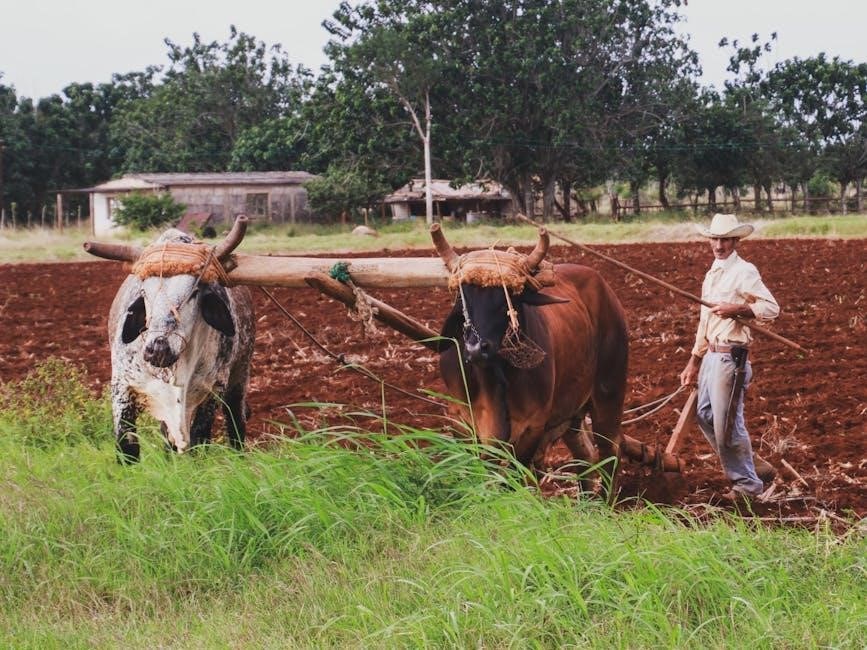
From early ard ploughs to steel designs, manual plows represent a cornerstone of agricultural history. These tools, evolving over millennia, dramatically shaped cultivation practices globally.
Early Forms of Manual Ploughs
The genesis of soil cultivation lies in the simplest of manual ploughs. Initially, these weren’t the sophisticated tools we envision today, but rather rudimentary implements. Early forms involved digging sticks and hoes, gradually evolving into the ard plough – a basic frame with a pointed stone or wooden share.
These early ploughs demanded significant manual effort, requiring individuals to physically push or pull them through the soil. The ard plough, originating in Mesopotamia, represented a crucial step, allowing for deeper soil penetration than previous methods. However, limitations persisted, including inefficiency in heavier soils and the sheer physical strain placed upon the farmer.
The Ard Plough: Origins and Characteristics
Emerging in Mesopotamia around 6000 BCE, the ard plough marked a pivotal advancement. Constructed from a frame with a pointed share – often stone, bone, or wood – it was pulled by oxen or, initially, humans. Unlike later designs, the ard didn’t invert the soil; it simply scratched the surface, creating furrows for seed placement.
Its primary characteristic was simplicity. Lightweight and relatively easy to construct, the ard was accessible to early farming communities. However, it struggled with dense or heavy soils, requiring frequent passes and substantial manual labor. Despite these limitations, the ard plough facilitated increased agricultural yields and supported the growth of early civilizations.
The Roman Plough: Advancements and Regional Variations
Building upon the ard plough, Roman engineers introduced significant improvements. Notably, they added a coulter – a vertical blade – to cut through the soil before the share, improving penetration. Some Roman plows featured multiple shares, increasing efficiency. Regional variations emerged based on soil types and agricultural needs.
In heavier soils, larger, more robust plows were employed, often requiring teams of oxen. Lighter versions were used in Mediterranean regions. While still not fully inverting the soil like the moldboard, the Roman plough represented a substantial step forward in agricultural technology, boosting crop production across the empire.
Limitations of Early Manual Ploughs
Despite advancements, early manual plows faced considerable limitations. The ard and Roman plows struggled with heavy, clay-rich soils, requiring significant manual effort and animal power. These plows didn’t effectively invert the soil, leading to nutrient depletion and weed problems.
Furthermore, their design often necessitated repeated passes over the same ground, increasing labor demands. Compared to later innovations, these early plows were relatively inefficient, limiting agricultural output and hindering large-scale farming operations. The friction created demanded large teams of oxen, unlike simpler designs elsewhere.
The Moldboard Plough Revolution
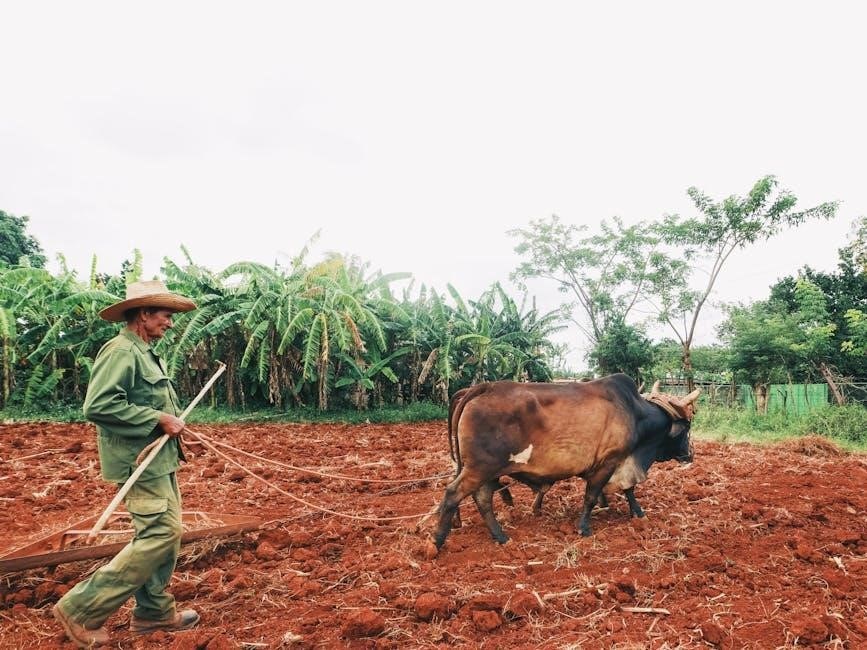
The moldboard design marked a pivotal shift, inverting soil for better aeration and nutrient distribution, though its adoption was initially slow due to increased friction.
The Significance of the Moldboard Design
The moldboard plow’s defining feature was its curved, asymmetrical shape. This ingenious design didn’t simply break the soil; it inverted it, burying crop residue and weeds while bringing nutrient-rich soil to the surface. This process, known as turning the sod, dramatically improved soil aeration and fertility, leading to higher crop yields. However, this advancement came at a cost. The moldboard’s effectiveness stemmed from increased friction, demanding significantly more draft power. Unlike earlier plows, or even Chinese designs requiring a single ox, the moldboard necessitated multiple teams of oxen to pull it effectively. This represented a substantial investment for farmers, and a key reason for its initially slow acceptance across Europe.
Increased Friction and Oxen Requirements
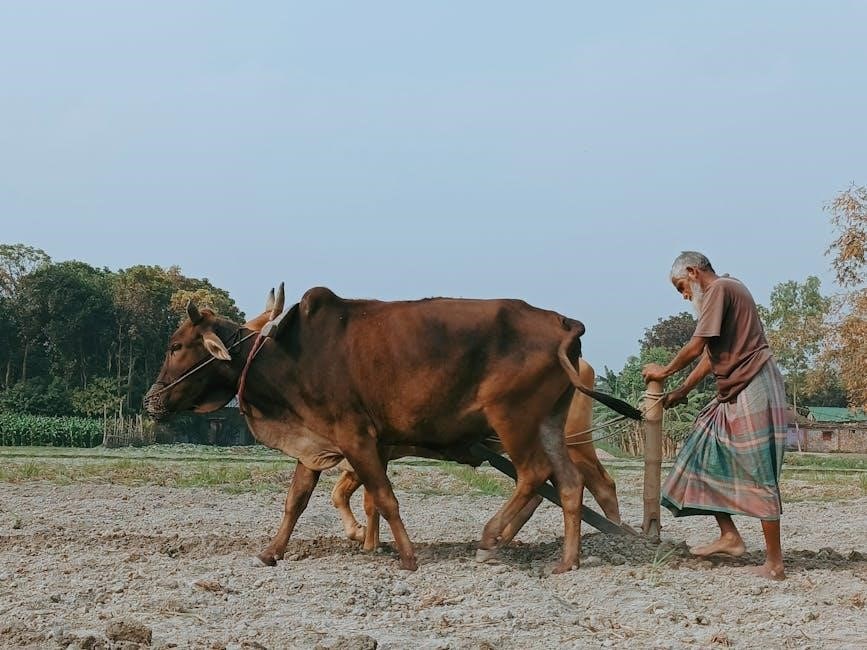
The moldboard plow’s efficiency was directly linked to increased friction within the soil. While beneficial for turning the sod, this friction created a substantial resistance to movement. Consequently, European farmers faced a significant challenge: providing the necessary draft power. Unlike the simpler Chinese plows, which could be pulled by a single ox, the moldboard demanded multiple teams of oxen – a considerable economic burden. This requirement hindered widespread adoption, as many farmers lacked the resources to acquire and maintain such large teams. The inability to easily overcome this friction was a major obstacle, akin to designing a car without an accelerator.
The Slow Adoption in Europe
Despite its potential benefits, the moldboard plow experienced a remarkably slow rate of adoption across Europe. The primary impediment was the substantial increase in draft power required. Farmers were hesitant to invest in the larger teams of oxen necessary to overcome the plow’s increased friction. Widespread use wasn’t observed until the eleventh century, with scattered earlier evidence in regions like Cornwall and Wales. This gradual transformation is supported by fossilized furrows, indicating a prolonged period of technological shift. The economic constraints and logistical challenges significantly delayed its integration into European farming systems.
Impact on Agricultural Efficiency
The moldboard plow’s design fundamentally altered agricultural efficiency, though its benefits weren’t immediately realized. By inverting the soil, it improved aeration and nutrient distribution, leading to higher crop yields over time. The heavy plow, particularly, reduced manual labor by eliminating the need for repeated cross-plowing and hand-spading. This allowed farmers to cultivate larger areas with less physical exertion. Ultimately, increased cultivation, spurred by innovations like Deere’s steel plow, dramatically expanded agricultural output, though not without subsequent environmental consequences.
The Heavy Plough and Northern Europe
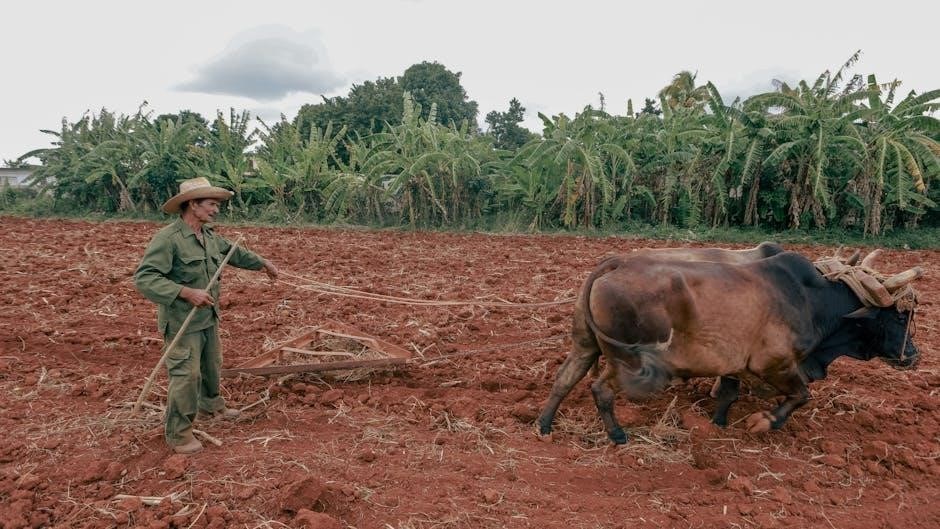
The 11th-century heavy plough transformed Northern European agriculture, enabling cultivation of dense soils and reducing manual labor through wheeled ploughshares and design.
Development and Spread in the 11th Century
The heavy plough’s emergence in the 11th century marked a pivotal shift in European farming. Initially appearing in areas like Cornwall and Wales, its widespread adoption across England and Wales occurred gradually. Archaeological evidence, specifically fossilized furrows discovered throughout Europe, confirms this slow but steady technological transformation.
This innovation wasn’t immediate; it represented an evolution in design and functionality. The heavy plough’s key advantage lay in its ability to turn over heavier, more challenging soils, previously unsuitable for cultivation. This expansion of arable land directly contributed to increased agricultural yields and supported population growth during this period.
Reducing Manual Labor with Wheeled Ploughshares
The introduction of wheeled ploughshares fundamentally altered the labor demands of agriculture. Prior to this innovation, preparing fields for planting required extensive manual effort – repeated ploughing and spading were commonplace. The heavy wheeled ploughshare directly addressed this issue, significantly diminishing the need for backbreaking hand labor.
By incorporating a wheel, the plough’s weight was better distributed, allowing it to penetrate and turn over heavier soils with greater efficiency. This meant farmers could cultivate larger areas with less physical exertion, freeing up valuable time and resources for other agricultural tasks and contributing to increased productivity;
Adapting to Different Soil Types
Early plough designs faced limitations when encountering varied soil conditions. The heavy plough, however, demonstrated a remarkable capacity for adaptation. Its robust construction and adjustable components allowed farmers to tackle the challenges posed by different terrains, from the light, sandy soils of some regions to the dense, clay-rich soils of others.
This adaptability was crucial for expanding agricultural frontiers and increasing yields. The ability to effectively cultivate a wider range of soil types meant that previously unproductive land could be brought into use, bolstering food production and supporting growing populations.
Fossilized Furrows as Evidence of Technological Shift
Archaeological discoveries provide compelling evidence of the transition in plough technology. Fossilized furrows, preserved over centuries, reveal the distinct patterns left by different plough designs. These remnants demonstrate a gradual shift from earlier, less efficient methods to the more advanced heavy plough, particularly noticeable in Northern Europe starting in the eleventh century.
The presence of these fossilized furrows confirms historical accounts and offers tangible proof of the widespread adoption of the wheeled ploughshare, which significantly reduced manual labor and improved agricultural productivity across the continent.
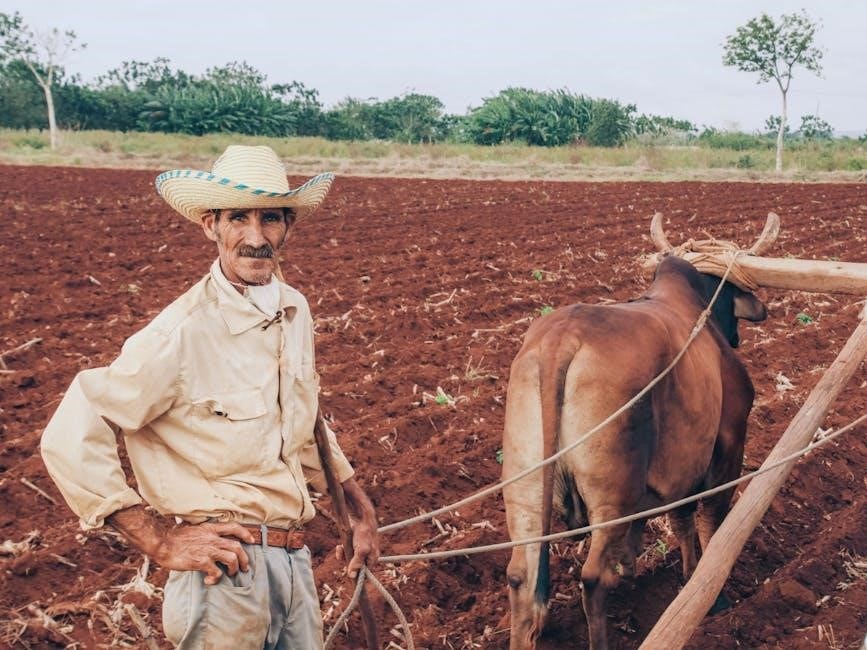
The Steel Plow Era
John Lane’s 1833 steel plow, followed by John Deere’s 1837 patent, revolutionized farming. Steel offered durability and efficiency, transforming American agriculture significantly.
John Lane’s Early Steel Plow (1833)
In 1833, Illinois blacksmith John Lane pioneered a steel plow constructed from repurposed saw blades, skillfully hammered and combined to create a functional farming tool. This innovation represented a crucial step towards more efficient land cultivation. However, Lane’s success was limited by his production methods; he continued crafting plows individually, mirroring existing practices.
Unlike Deere, Lane never sought a patent for his design, hindering its widespread adoption and preventing the scaling of production. While farmers readily purchased Lane’s plows, his approach lacked the industrial vision that would ultimately define John Deere’s legacy and transform farm technology.
John Deere and the Patent (1837)
John Deere, recognizing the need for improved plows in the challenging soils of the Midwest, applied for and secured patent number 46,454 in 1837. This marked a pivotal moment, transitioning plow production from individual craftsmanship to industrial-scale manufacturing. Deere’s patented design addressed the limitations of earlier models, offering enhanced durability and performance.
Crucially, Deere’s focus on mass production distinguished him from contemporaries like John Lane. This allowed for wider distribution and accessibility, solidifying his name as synonymous with farm technology and revolutionizing American agriculture through efficient cultivation.
Steel vs. Iron: Advantages and Disadvantages
The shift from iron to steel in plow construction presented distinct advantages and disadvantages. Steel, crafted from saw blades as pioneered by Lane and perfected by Deere, offered superior durability and maintained a sharper edge longer than traditional iron plows. This reduced the frequency of repairs and sharpening, boosting efficiency.
However, early steel production was more complex and costly than ironworking. While steel’s strength justified the expense for demanding soils, iron remained a viable option for less challenging terrains, representing a balance between cost and performance in agricultural practices.
Impact on American Agriculture
John Deere’s steel plow profoundly impacted American agriculture, particularly the expansion of farming in the Midwest. The plow’s ability to cut through the thick, sticky prairie sod enabled farmers to cultivate land previously considered unsuitable for agriculture. This spurred westward expansion and dramatically increased grain production.
However, this increased cultivation also had consequences, as noted by Peter Liebhold. More land brought into production altered landscapes and contributed to significant environmental changes, highlighting a complex legacy of agricultural innovation.
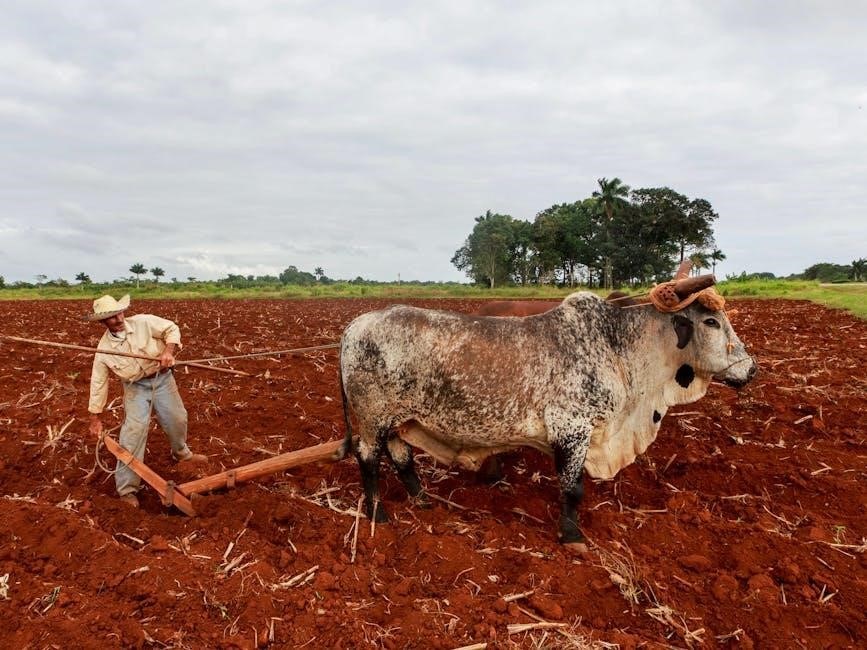
The Plow and Industrialization
The shift from individual craftsmanship to mass production, spearheaded by John Deere, revolutionized farm technology and dramatically increased the availability of plows.
From Individual Craftsmanship to Mass Production
Initially, plow production was a localized, artisanal endeavor. Blacksmiths like John Lane demonstrated early success with steel plows, crafting them individually to meet farmer demand. However, Lane’s approach remained limited to one-off creations, mirroring traditional methods.
John Deere’s pivotal contribution lay in transitioning from this bespoke model to industrial-scale manufacturing. Securing a patent in 1837, Deere established a system for mass-producing plows, making them more accessible and affordable. This shift wasn’t merely about efficiency; it fundamentally altered the landscape of farm technology, enabling widespread cultivation and impacting agricultural practices profoundly.
John Deere’s Role in Farm Technology
John Deere didn’t invent the steel plow, but he revolutionized its production and accessibility. Building upon the work of blacksmiths like John Lane, who experimented with steel saw blades, Deere secured a patent in 1837 for a refined design.
His true innovation was establishing a system for mass production, transforming the plow from a handcrafted item into a widely available agricultural tool. This industrial approach fueled increased cultivation, significantly impacting American agriculture and solidifying Deere’s name as synonymous with farm technology and progress.
The Consequences of Increased Cultivation
The widespread adoption of improved plows, particularly Deere’s steel plow, led to a dramatic expansion of cultivated land. While boosting agricultural output and economic growth, this intensification also triggered significant environmental consequences.
Peter Liebhold notes a substantial increase in land put into cultivation, raising concerns about soil erosion and alterations to natural ecosystems. This shift, though beneficial for immediate productivity, laid the groundwork for long-term ecological challenges requiring innovative conservation practices.
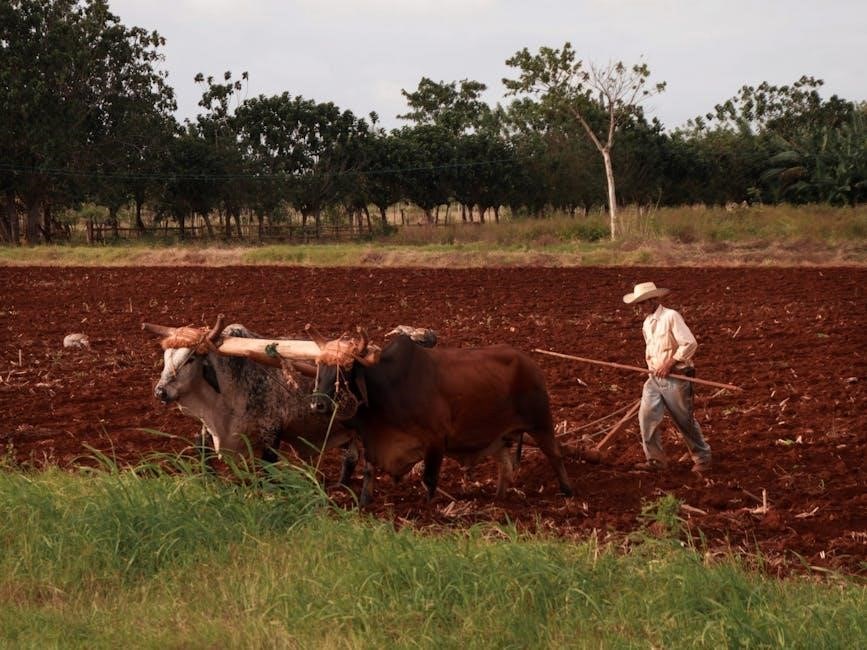
Modern Manual Plough Designs
Contemporary manual plows showcase variations tailored for specific crops, utilizing durable materials and prioritizing ergonomic designs for sustainable, small-scale farming practices.
Variations for Different Crops
Manual plough designs exhibit significant variation based on the intended crop and soil conditions. For instance, lighter plows with narrower shares are suitable for vegetable gardens and smaller plots, facilitating easier maneuverability and minimizing soil disturbance. Conversely, heavier plows with wider shares are employed for larger fields cultivating grains or root crops, demanding greater pulling power and deeper soil penetration.
Specialized ploughs also exist, such as those designed for rice paddies featuring unique blade configurations to manage water flow and prevent clogging. Furthermore, the angle and curvature of the mouldboard are adjusted to optimize soil turning and weed burial for specific plant types, maximizing yields and reducing reliance on herbicides.
Materials Used in Contemporary Manual Ploughs
Modern manual ploughs increasingly utilize a blend of traditional and advanced materials. While steel remains the primary component for shares and mouldboards due to its durability and strength, lighter-weight alloys are incorporated into frames and handles to reduce operator fatigue. High-carbon steel ensures longevity, resisting wear from abrasive soils.
Furthermore, manufacturers are exploring the use of polymers and composite materials for non-critical parts, offering corrosion resistance and reduced weight. Wooden handles, traditionally favored for their grip and shock absorption, are often reinforced with metal sleeves for enhanced durability, balancing comfort with structural integrity.
Ergonomic Considerations
Contemporary manual plough design prioritizes operator comfort and reduces physical strain. Adjustable handles are crucial, allowing users to customize the grip height and angle to suit their stature and working style. Lightweight materials, like alloys and reinforced polymers, minimize the overall weight, lessening fatigue during prolonged use;
Furthermore, carefully contoured handles and grips enhance comfort, reducing pressure points and improving control. Designs incorporating shock-absorbing elements, such as rubberized grips, further mitigate strain. The goal is to maximize efficiency while minimizing the risk of musculoskeletal injuries for the farmer.
Sustainability and Small-Scale Farming
Manual plows align perfectly with sustainable agricultural practices, particularly in small-scale farming operations. They require no fossil fuels, reducing carbon emissions and promoting environmental responsibility. Their use minimizes soil compaction compared to heavier, mechanized equipment, preserving soil structure and health.
Moreover, manual plows empower farmers to practice precise cultivation, adapting to diverse terrains and crop requirements. This localized approach fosters biodiversity and reduces reliance on synthetic inputs; They represent a viable, eco-friendly option for farmers prioritizing ecological balance and long-term sustainability.
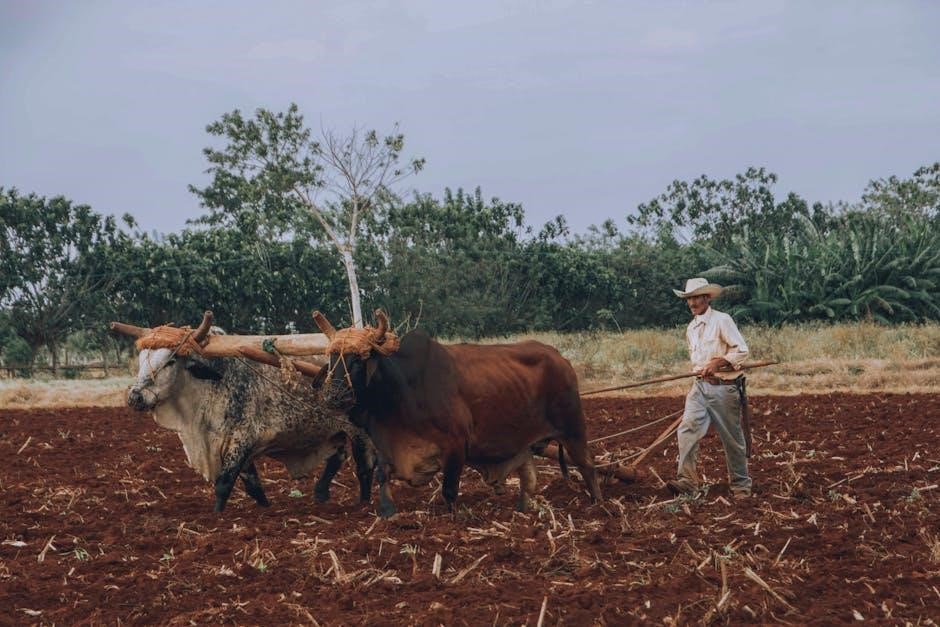
The Environmental Impact of Ploughing
Ploughing, even manually, raises concerns about soil erosion and structure degradation, prompting exploration of conservation tillage alternatives for sustainable land management.
Soil Erosion Concerns
Traditional ploughing, regardless of whether performed manually or with animal/mechanical assistance, inherently disrupts soil structure, increasing vulnerability to erosion. The turning of the soil exposes it to wind and water, leading to the loss of valuable topsoil – the most fertile layer crucial for plant growth. This erosion diminishes long-term agricultural productivity and contributes to sedimentation in waterways, impacting aquatic ecosystems.
While manual ploughing might seem less impactful than large-scale mechanized farming, repeated disturbance still weakens soil aggregates. The extent of erosion depends on factors like slope, rainfall intensity, and soil type, but the fundamental principle remains: ploughing increases the risk of soil loss, necessitating careful land management practices.
Impact on Soil Structure
Ploughing, even when done manually, significantly alters the natural structure of the soil. The process breaks down existing aggregates – clusters of soil particles – disrupting the network of pores vital for air and water circulation. This disruption reduces infiltration rates, increasing runoff and potentially leading to waterlogging. While initially loosening the soil for easier planting, repeated ploughing degrades its long-term stability.
The destruction of natural soil structure diminishes the habitat for beneficial organisms like earthworms, which contribute to soil health. Over time, this can lead to compaction, reduced fertility, and a decline in the soil’s ability to support plant life effectively.
Alternatives to Traditional Ploughing
Recognizing the detrimental effects of intensive ploughing, several alternatives have emerged. Conservation tillage practices, such as no-till farming, minimize soil disturbance, preserving its structure and organic matter. Direct seeding involves planting crops directly into untilled soil, relying on crop residue for weed suppression and moisture retention.
Cover cropping utilizes plants grown specifically to protect and improve the soil between cash crops. These methods enhance soil health, reduce erosion, and promote biodiversity. Reduced tillage systems offer a compromise, lessening the impact while still preparing a seedbed.
Conservation Tillage Practices
Conservation tillage represents a shift towards sustainable land management, minimizing soil disruption. No-till farming, a key practice, leaves crop residue on the surface, protecting the soil from erosion and enhancing water infiltration. Reduced tillage systems lessen the intensity of soil disturbance, balancing preparation with preservation.
Strip-till cultivates narrow strips for planting, leaving the rest of the field undisturbed. These methods improve soil structure, increase organic matter, and reduce fuel consumption, offering ecological and economic benefits. They address concerns about soil erosion linked to traditional ploughing.
The Future of Manual Ploughing
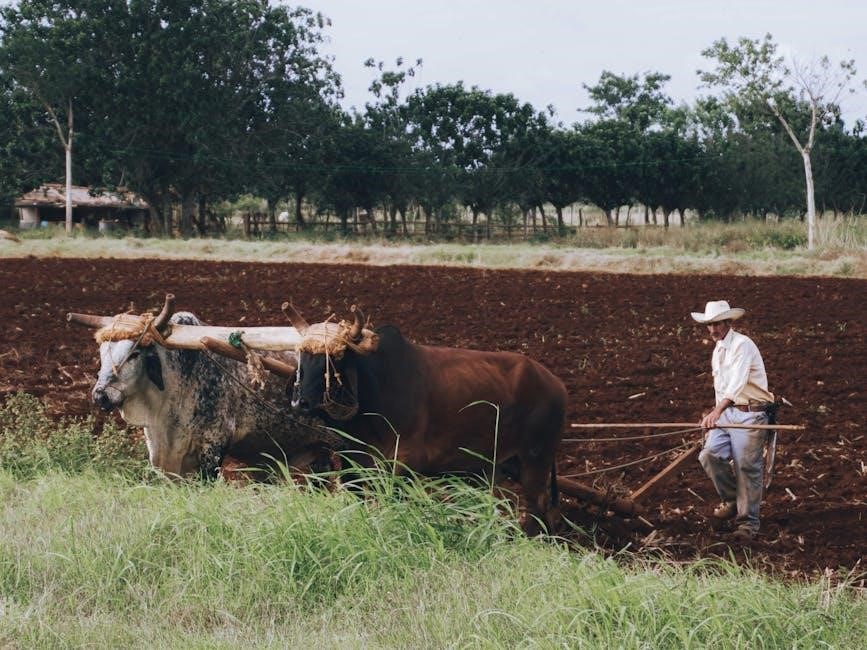
Manual ploughs find a niche in organic farming and developing nations, with ongoing design improvements focused on ergonomics and efficiency for small-scale operations;

Niche Applications in Organic Farming
Organic farming principles prioritize soil health and minimize synthetic inputs, creating a unique space for manual ploughs. Unlike heavy machinery, these tools offer targeted soil disturbance, crucial for weed control and incorporating organic matter without compromising soil structure.
Small farms often benefit from the affordability and adaptability of manual ploughs, allowing for precise cultivation in diverse landscapes. Preserving traditional agricultural knowledge associated with these implements also becomes vital, fostering sustainable practices and localized food systems.
This resurgence highlights a shift towards mindful land stewardship, where manual techniques complement modern ecological approaches to agriculture.
Technological Advancements in Manual Plough Design
While rooted in ancient principles, manual ploughs aren’t static. Contemporary designs increasingly focus on ergonomic improvements, reducing physical strain for operators through adjustable handles and optimized weight distribution. Material science plays a role, with lighter yet durable alloys replacing traditional wood and iron components.
Innovations also target specific crop needs, offering variations in blade shape and depth control. Some designs incorporate features to improve soil aeration and drainage. These advancements aim to enhance efficiency and usability, bridging the gap between traditional methods and modern agricultural demands.
The Role of Manual Ploughs in Developing Countries
Manual plows remain vital in many developing nations, where access to mechanized agriculture is limited by economic constraints and infrastructure challenges. They offer an affordable and accessible means of cultivation for smallholder farmers, supporting food security and livelihoods.
These tools empower communities to practice sustainable farming, reducing reliance on expensive inputs. Local craftsmanship ensures adaptability to diverse terrains and crop types. Continued innovation in manual plough design, coupled with training initiatives, can further enhance agricultural productivity and resilience in these regions.
Preserving Traditional Agricultural Knowledge
Safeguarding the expertise surrounding manual ploughs is crucial, as it embodies centuries of accumulated agricultural wisdom. This knowledge encompasses not only plough construction and repair but also optimal soil management techniques and crop-specific cultivation practices.
Oral traditions, apprenticeships, and community-based learning initiatives are essential for transmitting this heritage to future generations. Recognizing the cultural significance of these tools and supporting local artisans ensures the continuation of sustainable farming methods and strengthens agricultural resilience.