Ultrasound-guided steroid injections offer targeted pain relief, with costs varying widely—roughly $100 to $1500—depending on location, provider, and insurance coverage.
What are Ultrasound-Guided Steroid Injections?
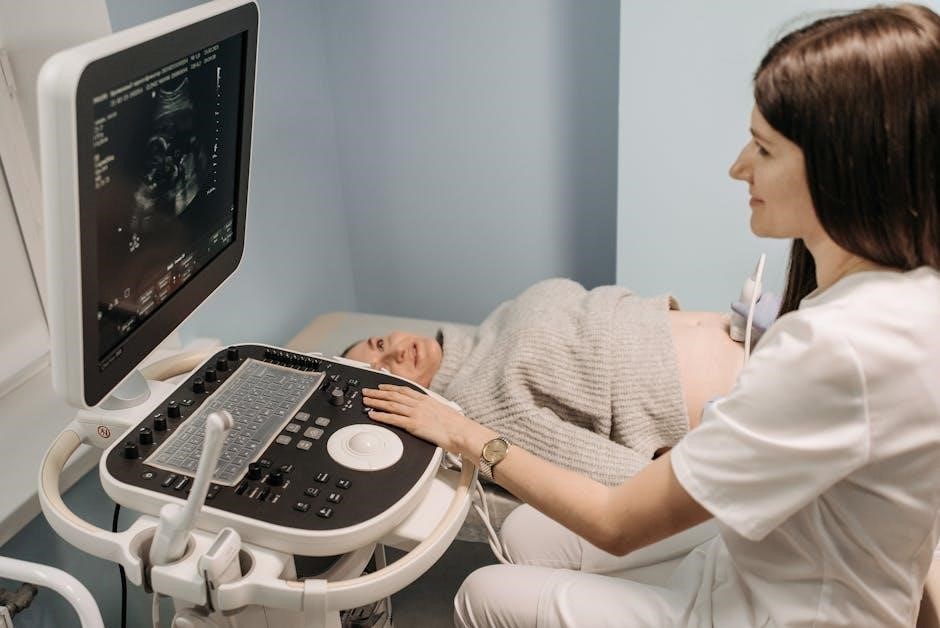
Ultrasound-guided steroid injections involve using real-time ultrasound imaging to precisely deliver medication – typically a corticosteroid combined with a local anesthetic – directly to the inflamed area. This technique allows healthcare providers to visualize the needle’s path, ensuring accurate placement and maximizing therapeutic effect.
Unlike traditional “blind” injections, ultrasound guidance minimizes the risk of injecting into unintended tissues. These injections are commonly used for conditions affecting joints, ligaments, tendons, and nerves, like Morton’s neuroma. The cost, ranging from $100 to $1500, reflects the enhanced precision and potential for improved outcomes;
Benefits of Ultrasound Guidance
Ultrasound guidance significantly enhances the accuracy of steroid injections, leading to more effective pain relief and potentially reducing the need for repeat procedures. By visualizing the needle in real-time, providers can avoid damaging surrounding structures, minimizing complications.
This precision can translate to lower overall healthcare costs in the long run, despite the initial injection potentially costing between $100 and $1500. Improved accuracy also means a faster recovery and a quicker return to normal activities, benefiting both patient well-being and economic productivity.

Cost Factors: A Detailed Breakdown
Several elements influence ultrasound-guided steroid injection costs, including location, provider fees, facility charges, steroid type, and the number of injections needed.
Geographic Location and Cost Variation
Ultrasound-guided steroid injection costs exhibit significant regional differences across the United States. Metropolitan areas and states with higher costs of living, such as New York or California, generally report higher prices for these procedures compared to rural areas or states with lower living expenses.
Factors contributing to this variation include local market rates for healthcare services, the availability of providers specializing in ultrasound-guided injections, and differing facility fees. Even within a single state, costs can fluctuate between cities and towns. Therefore, researching pricing in your specific location is crucial for accurate budgeting.
Provider Fees (Physician, Anesthesiologist, Technologist)
Ultrasound-guided steroid injection costs are heavily influenced by the professional fees charged by the healthcare team. A physician’s fee, based on expertise and experience, typically constitutes a significant portion of the total cost.
If an anesthesiologist is involved, particularly for more complex procedures or patient anxiety management, their fee adds to the expense. Additionally, the technologist performing the ultrasound imaging incurs a separate charge. These fees vary based on credentials, location, and the complexity of the injection itself.
Facility Fees (Hospital vs. Outpatient Clinic)
Ultrasound-guided steroid injection costs differ substantially depending on where the procedure is performed. Hospitals generally impose higher facility fees due to overhead expenses like equipment maintenance, staffing, and administrative costs.
Outpatient clinics, offering a more streamlined environment, typically have lower facility fees. The choice impacts the overall expense; a hospital setting might range significantly higher than a dedicated clinic. Considering these differences is crucial when estimating the total cost of treatment and exploring affordable options.
Type of Steroid Medication Used
Ultrasound-guided steroid injection costs are influenced by the specific medication administered. While generic corticosteroids are generally less expensive, brand-name options carry a higher price tag.
The potency and formulation of the steroid also play a role; stronger or longer-acting medications may increase the overall cost. Providers will determine the appropriate steroid based on the condition, but discussing generic alternatives can potentially lower out-of-pocket expenses. Medication choice directly impacts the final bill.
Number of Injections Needed
Ultrasound-guided steroid injection costs accumulate with each treatment session. Many conditions require a series of injections for optimal relief, significantly impacting the total expense.
The number needed depends on the severity of the condition and individual response to treatment; some may need only one, while others require several spaced over time. Discussing a realistic treatment plan with your provider upfront is crucial for budgeting and understanding the overall financial commitment.

Average Cost Ranges (as of 01/25/2026)
As of today, expect costs between $100 and $1500, influenced by consultation fees, insurance status, and the specific injection site and steroid used.
Initial Consultation Cost
The initial consultation fee for an ultrasound-guided steroid injection can range significantly, typically falling between $100 and $300, though this is a broad estimate. This cost covers the physician’s time to evaluate your condition, review your medical history, and determine if an injection is an appropriate treatment option.
Factors influencing this fee include the provider’s experience, specialization (orthopedist, anesthesiologist, etc.), and geographic location. Some clinics may offer bundled pricing, including the consultation within the overall injection cost, while others bill it separately. It’s crucial to inquire about all potential costs upfront to avoid unexpected charges.
Cost Without Insurance
Without insurance, the out-of-pocket cost for an ultrasound-guided steroid injection can range from $300 to $1500, encompassing the procedure itself, facility fees, and the steroid medication. The physician’s fee, potentially $150-$500, is a significant component. Facility fees, varying from $100 to $600 depending on the location (hospital vs. clinic), add to the expense.
The specific steroid used also impacts the price. Proactive inquiry about all potential charges is vital, as costs can fluctuate considerably. Negotiating a cash price with the provider may offer some savings.
Cost With Insurance: Co-pays, Deductibles, and Coinsurance
With insurance, costs depend on your plan’s specifics; Expect a co-pay, typically $30-$75 per visit, but this doesn’t cover the full expense. You’ll likely need to meet your deductible first, potentially ranging from $500 to several thousand dollars, before insurance begins to pay.
Following your deductible, coinsurance (e.g., 20%) applies to remaining costs. Pre-authorization is often required, and understanding your policy’s medical necessity criteria is crucial for coverage approval.

Specific Conditions Treated & Associated Costs
Ultrasound-guided injections treat conditions like Morton’s neuroma and joint/ligament pain; costs vary based on the specific ailment and treatment complexity.
Morton’s Neuroma Injection Cost
Morton’s neuroma injections, guided by ultrasound for precision, typically range from $150 to $600 per session, though this is a broad estimate. The final cost depends heavily on geographic location and the provider’s fees. Insurance coverage significantly impacts out-of-pocket expenses, with co-pays and deductibles applying.
Without insurance, patients can expect to pay the full cost, potentially exceeding $500; Multiple injections may be needed for optimal relief, increasing the overall financial burden. The type of steroid used also influences pricing, with brand-name medications generally costing more than generics.
Joint Pain (Knee, Shoulder, Hip) Injection Cost
Ultrasound-guided steroid injections for joint pain (knee, shoulder, hip) generally fall between $200 and $800 per injection. Costs vary based on the joint treated, with hip injections often being more expensive due to complexity. Provider fees, including the physician and technologist, contribute significantly to the total expense.
Insurance coverage can reduce out-of-pocket costs, but co-pays, deductibles, and coinsurance will apply. Without insurance, patients face the full cost, potentially exceeding $700. Multiple injections may be necessary, increasing the overall financial commitment.
Ligament and Tendon Injections Cost
Ultrasound-guided steroid injections targeting ligament and tendon issues typically range from $150 to $600 per session. The specific location of the injury—shoulder, elbow, wrist, or ankle—influences the price, with more complex areas potentially costing more. Facility fees, whether at a hospital or outpatient clinic, also contribute to the overall expense.
Without insurance, patients can expect to pay the full amount. Insurance coverage, with co-pays, deductibles, and coinsurance, can significantly lower the out-of-pocket cost. Multiple injections might be needed for optimal results, impacting the total financial burden.
Carpal Tunnel Syndrome Injection Cost
Ultrasound-guided steroid injections for carpal tunnel syndrome generally fall between $200 and $700 per injection. This cost reflects the precision offered by ultrasound, ensuring accurate medication delivery to the affected median nerve. The provider’s fees – physician, anesthesiologist, or technologist – contribute significantly to the total expense.
Without insurance, the full cost is the patient’s responsibility. With insurance, co-pays, deductibles, and coinsurance will apply. Multiple injections may be necessary, potentially increasing the overall financial commitment for treatment.

Insurance Coverage Details
Insurance often covers medically necessary ultrasound-guided steroid injections, but pre-authorization is frequently required, aligning with specific policy guidelines and approvals.
Medical Necessity and Insurance Approval
Securing insurance coverage for ultrasound-guided steroid injections hinges on demonstrating medical necessity. Insurers require documentation from your physician detailing why the injection is essential for your condition, and why other conservative treatments have failed.
Conditions like Morton’s neuroma, severe joint pain, or ligament/tendon issues typically meet criteria, but approval isn’t guaranteed. Expect your provider to submit detailed reports and potentially imaging results. Pre-authorization is almost always needed; proceeding without it could lead to claim denial and full out-of-pocket expenses.
Understanding your insurance plan’s specific requirements is crucial for a smooth approval process.
Understanding Your Insurance Policy
Navigating your insurance policy is vital when considering ultrasound-guided steroid injections. Carefully review your plan’s Summary of Benefits and Coverage to understand your specific co-pay, deductible, and coinsurance amounts.
Determine if your plan requires pre-authorization for these injections, as failing to obtain it can result in non-payment. Check if there are any limitations on the number of injections covered per year or specific conditions treated.
Contact your insurance provider directly to clarify any uncertainties and ensure a clear understanding of your financial responsibility.
Pre-authorization Requirements
Many insurance plans mandate pre-authorization for ultrasound-guided steroid injections to confirm medical necessity before coverage is approved. This process typically involves your provider submitting documentation detailing your condition and justifying the need for the injection.
Failure to obtain pre-authorization can lead to claim denial and full financial responsibility for the procedure. Confirm with your insurance provider whether pre-authorization is required before scheduling your injection.
Allow sufficient time for the authorization process, as it can take several business days or even weeks.
Ways to Reduce Costs
Explore generic steroid options, consider outpatient clinics over hospitals, negotiate provider fees, and utilize HSAs or FSAs to lower injection expenses.
Generic vs. Brand-Name Steroids
Opting for generic steroid medications can significantly reduce the overall cost of ultrasound-guided injections. While brand-name steroids often carry a higher price tag due to research and marketing expenses, generic alternatives contain the same active ingredients and deliver comparable therapeutic effects.
Discussing generic options with your physician is crucial; they can determine if a generic formulation is appropriate for your specific condition. The savings can be substantial, potentially lowering the injection cost by a considerable margin, making treatment more accessible and affordable without compromising quality of care.
Outpatient Clinics vs. Hospitals
Generally, receiving an ultrasound-guided steroid injection at an outpatient clinic is more cost-effective than undergoing the procedure in a hospital setting. Hospitals typically have higher overhead costs, including facility fees and administrative expenses, which are passed on to the patient.
Outpatient clinics often offer a more streamlined and focused approach, resulting in lower overall charges. However, the best location depends on individual needs and insurance coverage; verifying costs with both options is essential for informed decision-making.
Negotiating with Providers
Don’t hesitate to discuss costs directly with your physician’s office and the facility before the ultrasound-guided steroid injection. Many providers are willing to negotiate fees, especially if you’re paying cash or have a high deductible.
Ask about potential discounts or payment plans. It’s also wise to inquire if the quoted price includes all associated costs, such as the ultrasound guidance itself and the medication. Proactive communication can significantly reduce your out-of-pocket expenses.
Health Savings Accounts (HSAs) and Flexible Spending Accounts (FSAs)
Utilizing a Health Savings Account (HSA) or Flexible Spending Account (FSA) can substantially lower the out-of-pocket costs for ultrasound-guided steroid injections. These accounts allow you to pay for qualified medical expenses, like injections, with pre-tax dollars.
This effectively reduces your taxable income and the overall expense. Confirm that the injection qualifies as an eligible expense with your HSA/FSA provider before using funds. Careful planning with these accounts can make treatment more affordable.

What to Expect During the Procedure
Preparation involves discussing medical history; the injection uses real-time ultrasound guidance for precision, impacting cost based on provider expertise and facility fees.
Preparation for the Injection
Before your ultrasound-guided steroid injection, a thorough medical history review is crucial, detailing allergies, medications, and prior injections. Discuss your pain levels and expectations with the provider, as this influences treatment planning and potential costs.
You may be asked to remove jewelry or clothing near the injection site. The area will be cleaned and prepped with an antiseptic solution. Understanding the procedure and associated costs beforehand is vital; inquire about potential out-of-pocket expenses, co-pays, or deductibles.
The provider will explain the risks and benefits, ensuring informed consent. This preparation stage, while seemingly simple, contributes to the overall cost due to the time and resources involved.
The Injection Process Itself
During the ultrasound-guided steroid injection, you’ll likely lie comfortably while the provider uses real-time ultrasound imaging to precisely guide the needle. Local anesthetic is often administered first to minimize discomfort, adding to the overall procedure cost.
The steroid medication is then carefully injected into the targeted area – joint, tendon, or nerve. The entire process typically takes 15-30 minutes.
The provider’s skill and the duration of the procedure directly impact the cost. Facility fees, if applicable, also contribute to the final bill, varying between hospitals and outpatient clinics.
Post-Injection Care and Potential Side Effects
Following the ultrasound-guided steroid injection, you’ll receive post-injection instructions, potentially including rest and activity modification. While generally safe, side effects like mild pain or swelling are possible, rarely requiring additional treatment and incurring costs.
More serious complications, such as infection or nerve damage, are uncommon but can significantly increase expenses.
Monitoring for these effects is crucial. The cost of managing any adverse reactions should be factored into the overall financial consideration of the procedure, alongside the initial injection fee.

Comparing Ultrasound Guidance to Other Injection Techniques
Ultrasound guidance typically costs more than blind injections, but offers improved accuracy, potentially reducing the need for repeat procedures and associated expenses.
Blind Injections: Cost and Accuracy
Blind steroid injections, performed without imaging guidance, generally represent the most affordable option, often costing between $100 and $300. However, their accuracy is significantly lower compared to ultrasound or fluoroscopic guidance. This reduced precision increases the risk of misdirected injections, potentially failing to deliver medication to the intended target.
Consequently, patients may require multiple attempts, ultimately increasing overall treatment costs and delaying relief. While initially cheaper, the lower success rate of blind injections can lead to prolonged pain and further medical interventions, negating the initial cost savings. Accuracy is paramount for effective pain management.
Fluoroscopic Guidance: Cost and Radiation Exposure
Fluoroscopic guidance, utilizing real-time X-ray imaging, typically falls in the $300 to $800 price range, positioning it as more expensive than blind injections but potentially less costly than ultrasound in some instances. While offering improved accuracy over blind techniques, fluoroscopy introduces the concern of radiation exposure for both the patient and the healthcare provider.
Although radiation doses are generally considered low, cumulative exposure over multiple injections should be carefully considered. Ultrasound avoids this risk, making it a preferable option for patients requiring repeated injections or those sensitive to radiation.

Finding Affordable Providers
Online resources and community clinics can help locate cost-effective options for ultrasound-guided steroid injections, potentially reducing out-of-pocket expenses significantly.
Online Resources for Cost Comparison
Several websites aim to increase price transparency in healthcare, allowing patients to compare costs for procedures like ultrasound-guided steroid injections. These platforms often gather data from various providers in a specific geographic area, presenting a range of estimated prices.
However, it’s crucial to remember that these are estimates, and actual costs can vary based on individual circumstances and insurance coverage. Websites like Healthcare Bluebook and Fair Health Consumer can be valuable starting points for research. Additionally, some insurance providers offer online tools to estimate costs for specific services within their network. Thoroughly investigate and confirm pricing directly with the provider’s office for the most accurate information.
Community Clinics and Free Healthcare Programs
For individuals lacking insurance or facing high out-of-pocket costs, community clinics and free healthcare programs can offer affordable alternatives for ultrasound-guided steroid injections. These clinics often operate on a sliding fee scale, adjusting costs based on income.
Federally Qualified Health Centers (FQHCs) are a valuable resource, providing comprehensive care regardless of ability to pay. Local health departments and charitable organizations may also sponsor programs offering free or reduced-cost injections. Researching these options requires effort, but can significantly lower healthcare expenses.

Potential Complications and Associated Costs
Though rare, complications like infection or nerve damage can occur, adding treatment costs—ranging from minor wound care to more extensive medical intervention.
Infection Risk and Treatment Costs
While uncommon, infection represents a potential complication following any injection procedure, including ultrasound-guided steroid injections. The cost to treat an infection can vary significantly based on severity. Minor infections might require oral antibiotics, costing between $20 and $100. However, more serious infections could necessitate intravenous antibiotics, potentially reaching several hundred to thousands of dollars, alongside associated doctor’s visits and potentially even hospitalization.
Furthermore, if an abscess develops, incision and drainage procedures would add to the overall expense, potentially costing several hundred dollars or more. Proactive sterile technique during the injection minimizes this risk, but awareness of potential costs is crucial.
Bleeding and Hematoma Management Costs
Post-injection, some bleeding and hematoma (localized blood collection) formation is possible, generally minor and self-resolving. However, larger hematomas may require intervention. Initial management, like ice packs and compression, is inexpensive—under $50. If a larger hematoma develops, aspiration (fluid removal) by a physician could cost between $150 and $500, depending on location and complexity.
Rarely, significant bleeding necessitates further medical attention, potentially involving imaging or even surgical intervention, escalating costs considerably—potentially into the thousands of dollars. Careful technique during injection minimizes bleeding risk.
Nerve Damage (Rare) and Potential Costs
Although exceedingly rare, nerve damage is a potential complication of ultrasound-guided steroid injections. Symptoms can range from temporary numbness or tingling to, in very isolated cases, more persistent nerve dysfunction. Initial diagnosis, involving nerve conduction studies, may cost $300-$800.
If nerve damage occurs, physical therapy—ranging from $75 to $150 per session—might be necessary. Severe, persistent cases could require more intensive interventions, potentially including surgery, driving costs upwards of several thousand dollars.

Future Trends in Ultrasound-Guided Injection Costs
Technological advancements and evolving healthcare policies are expected to drive down costs, improving accessibility to ultrasound-guided steroid injections for more patients.
Technological Advancements and Cost Reduction
Advancements in ultrasound technology itself are poised to lower costs. Newer, more portable, and user-friendly ultrasound machines are becoming available, reducing equipment expenses for providers. Improved software and artificial intelligence integration can streamline the injection process, potentially decreasing procedure times and technician workload.
Furthermore, enhanced needle visualization techniques and automated injection systems may increase accuracy, minimizing the need for repeat injections. These innovations collectively contribute to greater efficiency and, ultimately, more affordable ultrasound-guided steroid injections for patients seeking pain management solutions.
Changes in Healthcare Policies and Reimbursement Rates
Shifts in healthcare policies and insurance reimbursement rates significantly impact the cost of ultrasound-guided steroid injections. Increased emphasis on value-based care may incentivize providers to offer more cost-effective treatment options. Changes to coding and billing practices could also affect how these procedures are reimbursed by insurance companies.
Potential policy changes regarding pre-authorization requirements or coverage limitations could either increase or decrease out-of-pocket expenses for patients. Monitoring these evolving healthcare landscapes is crucial for understanding future trends in injection costs.