
Suburban RV Water Heater Manual: A Comprehensive Guide
This detailed manual offers essential guidance for owners of Suburban RV water heaters, ensuring convenient access to hot water for various recreational vehicle needs.
Understanding Your Suburban RV Water Heater
Suburban RV water heaters are designed to deliver reliable hot water during your travels, enhancing comfort and convenience. These units are crucial for tasks like washing dishes, showering, and general cleaning within your recreational vehicle. Understanding how your specific model operates is key to maximizing its efficiency and lifespan.
RV water heaters differ significantly from residential models due to space constraints and the demands of mobile use; They are built to withstand the vibrations and movements inherent in RV travel. Familiarizing yourself with the components, operation, and maintenance procedures outlined in this guide will empower you to address minor issues and prevent costly repairs. Regular checks and proactive maintenance are vital for consistent performance.
Types of Suburban RV Water Heaters
Suburban manufactures primarily two types of RV water heaters: tank-type and tankless. Tank-type heaters, the more traditional option, store a set amount of heated water in an insulated tank, providing a readily available supply. These are generally more affordable upfront but can experience standby heat loss.
Tankless water heaters, conversely, heat water on demand, eliminating the need for a storage tank. This results in a continuous supply of hot water and increased energy efficiency, though they often have a higher initial cost. The choice between the two depends on your hot water usage patterns and budget. Consider how many people will be using hot water simultaneously and for what purposes when making your decision.
Suburban RV Water Heater Components
Suburban RV water heaters, regardless of type, share several key components. The gas valve assembly (for gas models) regulates gas flow to the burner. A crucial thermocouple & thermostat system ensures safe operation by sensing temperature and shutting off gas if needed. Tank-type heaters feature an insulated tank for water storage, while electric models utilize a heating element to directly heat the water.
Additional components include a control board, various sensors, and plumbing connections; Understanding these parts is vital for troubleshooting and maintenance. Regular inspection of these components can prevent costly repairs and ensure consistent hot water availability during your RV adventures.
Gas Valve Assembly
The gas valve assembly is a critical component in Suburban RV water heaters utilizing gas. Its primary function is to precisely control the flow of propane or natural gas to the burner, initiating and maintaining combustion for heating water. This assembly typically includes a control knob, a regulator, and safety shut-off mechanisms.
Proper operation of the gas valve is paramount for safe and efficient water heating. Regular inspection for leaks and damage is essential. A malfunctioning gas valve can lead to insufficient heating, or, more seriously, gas leaks posing a fire hazard. Always consult a qualified technician for repairs or replacements.
Thermocouple & Thermostat
The thermocouple and thermostat work in tandem to ensure safe and consistent water temperature within your Suburban RV water heater. The thermocouple is a safety device that detects whether the pilot light is lit; if the flame isn’t present, it shuts off the gas supply, preventing dangerous gas buildup.
The thermostat regulates the water temperature by sensing the heated water and signaling the gas valve to cycle on or off. A faulty thermocouple can prevent the heater from staying lit, while a malfunctioning thermostat can cause overheating or insufficient heating. Regular testing and replacement, when needed, are crucial for safe operation.

Tank (For Tank-Type Heaters)

For Suburban RV water heaters utilizing a tank, the tank itself is a crucial insulated reservoir responsible for storing and heating the water. Typically constructed from durable materials like aluminum or polypropylene, these tanks range in capacity, commonly from 6 to 16 gallons, catering to varying RV sizes and usage needs.
The tank’s insulation minimizes heat loss, maintaining water temperature for extended periods. Over time, sediment can accumulate within the tank, reducing efficiency and potentially causing corrosion. Regular flushing, as detailed in the maintenance section, is vital to preserve tank integrity and optimal performance. Inspecting the tank for leaks is also essential during routine checks.
Heating Element (For Electric Heaters)
Suburban RV water heaters employing electric heating rely on a robust heating element immersed directly within the water tank. This element, typically constructed from corrosion-resistant materials, converts electrical energy into heat, efficiently warming the water to the desired temperature.
The heating element’s wattage dictates the heating speed; higher wattage equates to faster heating. Regular inspection of the element is crucial to identify any signs of scaling or corrosion, which can diminish its efficiency and lifespan. Proper grounding is paramount for safety, preventing electrical hazards. Replacement may be necessary if the element fails to heat effectively, ensuring consistent hot water availability.
Suburban RV Water Heater Operation ౼ Gas Models
Operating a Suburban gas RV water heater involves a sequential process. Initially, ensure the gas supply is open and the water heater is adequately vented. Lighting the pilot light is the first step, often requiring manual ignition followed by holding the reset button. Once the pilot sustains, the main burner can be ignited, heating the water within the tank;
Thermostatic control regulates water temperature, automatically cycling the burner on and off to maintain the setpoint. Consistent monitoring of the flame and proper ventilation are vital for safe operation. Always follow the manufacturer’s instructions for lighting and operation to prevent hazards.
Suburban RV Water Heater Operation ౼ Electric Models
Suburban electric RV water heaters operate on a simpler principle than gas models. They require a connection to a suitable electrical power source, typically 120V AC. Once connected, the heating element within the tank immerses directly into the water, raising its temperature.
Thermostatic controls manage the water temperature, activating and deactivating the heating element to maintain the desired setting. Unlike gas models, there’s no pilot light or burner to manage. Electric models offer quiet and odorless operation, making them a convenient choice. Always verify the electrical supply matches the heater’s requirements for safe and efficient performance.

Troubleshooting Common Issues
Encountering problems with your Suburban RV water heater is common, but many are easily resolved. Lack of hot water, leaks, and pilot light issues are frequent concerns. Before attempting repairs, always disconnect power (electric models) or gas supply (gas models) for safety.
Diagnosing the issue often starts with verifying the power source or gas supply. For electric heaters, check the circuit breaker. For gas heaters, ensure the propane tank isn’t empty. Leaks require immediate attention and may indicate a faulty tank or connection. Pilot light problems often stem from a dirty or failing thermocouple. Consulting the specific model’s manual is crucial for accurate troubleshooting.
No Hot Water – Gas Model
If your Suburban gas RV water heater isn’t producing hot water, several factors could be at play. First, verify the propane tank is full and the gas valve is open. Next, check if the pilot light is lit; if not, follow the lighting instructions in your manual carefully.
A faulty thermocouple is a common culprit, preventing the gas valve from staying open. A blocked burner assembly can also hinder proper heating. Inspect the burner for debris or obstructions. Ensure the thermostat is set correctly. If these steps don’t resolve the issue, a malfunctioning gas valve might require professional attention.
No Hot Water – Electric Model
When your Suburban electric RV water heater fails to heat, begin by confirming it’s receiving power. Check the circuit breaker in your RV’s electrical panel and ensure it hasn’t tripped. Verify the water heater is switched on at the thermostat control panel.
A blown heating element is a frequent cause of this issue; testing with a multimeter can confirm this. Inspect the high-limit switch, as it may have tripped due to overheating. Low voltage can also prevent proper heating, so check your RV’s overall electrical system. If problems persist, a faulty thermostat or wiring issue may necessitate professional repair.
Water Heater Leaking

Discovering a leak from your Suburban RV water heater requires immediate attention. First, turn off both the water supply and the power source (gas or electric) to prevent further damage. Carefully inspect the connections – inlet/outlet pipes, drain plug, and pressure relief valve – for obvious signs of looseness or corrosion.
For tank-type heaters, a leak often indicates a corroded tank, potentially requiring replacement. Check around the tank’s exterior for rust or wet spots. If the leak originates from a fitting, tightening it might resolve the issue, but avoid over-tightening. Persistent leaks necessitate professional diagnosis and repair to avoid extensive water damage within your RV.
Pilot Light Issues (Gas Models)
A consistently failing pilot light on your Suburban gas water heater signals a potential problem within the gas valve assembly. Begin by ensuring the gas supply is fully open. Attempt to relight the pilot following the manufacturer’s instructions precisely – typically involving pressing and holding the reset button while igniting.
If the pilot won’t stay lit, a faulty thermocouple is a common culprit. This component senses the pilot flame and allows gas flow. A dirty or damaged thermocouple needs replacement. Also, inspect the burner for obstructions. If issues persist, a professional RV technician should diagnose and repair the gas valve, as improper handling can be dangerous.
Suburban RV Water Heater Maintenance
Regular maintenance extends the life and efficiency of your Suburban RV water heater. For tank-type heaters, annual flushing removes sediment buildup, preventing corrosion and ensuring optimal heating. Inspect the anode rod yearly; it sacrifices itself to protect the tank. Replace it when significantly depleted.
Gas models require periodic burner assembly cleaning to maintain proper combustion. Visually check for obstructions and debris. Always disconnect the gas supply before any maintenance. Consistent upkeep prevents costly repairs and ensures a reliable supply of hot water during your RV adventures. Following these steps will keep your system running smoothly.
Flushing the Tank (Tank-Type Heaters)
To flush your tank-type Suburban RV water heater, begin by turning off the gas supply and allowing the water to cool completely. Open the drain plug located at the bottom of the tank. You may need a specialized wrench.
Use a garden hose to flush the tank, directing water through the hot water inlet until the water runs clear. This removes sediment and scale buildup. Close the drain plug securely, ensuring a watertight seal. Refill the tank with fresh water before relighting the heater. This process should be performed annually to maintain optimal performance and prevent corrosion within the tank.
Inspecting the Anode Rod (Tank-Type Heaters)
The anode rod is a sacrificial component within tank-type Suburban RV water heaters, designed to protect the tank from corrosion. Inspect it annually by turning off the gas and water, then draining the tank. Locate the anode rod, typically accessed through a plug on top of the heater.
Remove the rod and examine its condition. If it’s significantly corroded – more than half its original size is gone – replace it with a new one. A depleted anode rod means the tank itself is now vulnerable to rust. Replacing the anode rod extends the life of your water heater, saving you costly repairs or replacements down the road;

Cleaning the Burner Assembly (Gas Models)
Over time, the burner assembly in your Suburban RV gas water heater can accumulate dust, debris, and spider webs, hindering efficient combustion. Begin by shutting off the gas supply and allowing the heater to cool completely. Access the burner chamber, usually by removing an access panel.
Carefully inspect the burner for obstructions. Use a soft brush or vacuum with a brush attachment to remove any accumulated debris. Ensure the burner ports are clear to allow for proper gas flow and ignition. A clean burner assembly ensures optimal heating performance and prevents potential safety hazards. Reassemble and test after cleaning.
Winterizing Your Suburban RV Water Heater

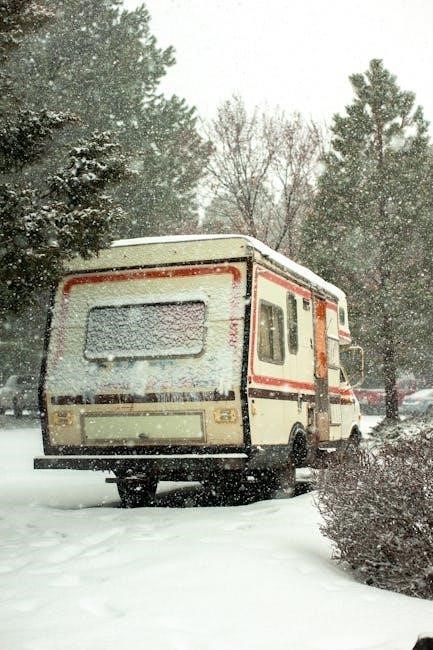
Proper winterization is crucial to prevent damage from freezing temperatures; Begin by completely draining both the tank and the water lines. For tank-type heaters, bypass the water heater and introduce RV antifreeze into the plumbing system using a hand pump.
For tankless models, follow the manufacturer’s specific winterization instructions, often involving flushing with antifreeze. Don’t forget to drain the exterior access panel and any associated lines. This process protects valves, pipes, and the heater itself from costly freeze damage, ensuring it’s ready for use when warmer weather returns.

Suburban RV Water Heater Safety Precautions
Always ensure adequate ventilation when operating a gas-powered water heater to prevent carbon monoxide buildup. Never enclose the unit in a confined space. Regularly inspect gas connections for leaks using a soapy water solution – never a flame!
For electric models, ensure proper grounding and avoid operating with wet hands. Do not attempt repairs yourself unless you are qualified; improper repairs can create hazardous conditions. Always allow the unit to cool completely before performing any maintenance. Prioritize safety to enjoy reliable hot water during your RV adventures.
Replacing a Suburban RV Water Heater
Replacing your Suburban RV water heater requires careful disconnection of gas or electrical supplies – always prioritize safety! Begin by draining the tank completely and disconnecting all water lines. For gas models, shut off the gas supply and disconnect the gas line, ensuring no leaks upon reconnection.
Electric models require disconnecting the power supply. Remove the old unit, carefully noting the connections for the new one. Install the new water heater, reconnecting all lines securely. Test for leaks and proper operation before resuming normal use. Professional installation is recommended if you’re uncomfortable with these steps.
Finding Your Specific Suburban RV Water Heater Model Number
Locating your Suburban RV water heater’s model number is crucial for obtaining the correct manuals, parts, and troubleshooting information. Typically, a sticker or metal plate is affixed directly to the unit’s exterior. This label usually resides on the side or back of the water heater.
The model number is a combination of letters and numbers, providing specific details about your heater’s configuration. Record this number carefully, as it’s essential when contacting Suburban’s customer support or ordering replacement parts. Without it, accurate assistance becomes significantly more difficult. Keep this number readily available for future reference.
Where to Find Suburban RV Water Heater Manuals Online
Fortunately, Suburban offers a comprehensive library of manuals directly on their official website. Navigate to the “Support” or “Resources” section, then locate the “Manuals” or “Documentation” area. You can typically search by model number for a precise match.
Alternatively, numerous RV parts and service websites archive older manuals. A quick internet search using your model number and “manual” will yield several results. Be cautious when downloading from third-party sites, ensuring the source is reputable to avoid malware. Suburban’s website remains the most reliable source for accurate and up-to-date documentation.
Understanding Warranty Information
Suburban RV water heaters typically come with a limited warranty, covering defects in materials and workmanship. The standard warranty period is often one year from the date of original purchase, though this can vary by model and date of manufacture. It’s crucial to retain your proof of purchase for warranty claims.
The warranty generally doesn’t cover damage caused by misuse, improper installation, lack of maintenance (like not flushing the tank), or acts of nature. Carefully review the warranty documentation included with your heater for specific exclusions and claim procedures. Registering your product online with Suburban can streamline the warranty process if needed.
Suburban RV Water Heater Parts & Accessories
Maintaining your Suburban RV water heater often requires replacement parts over time. Common replacements include gas valve assemblies, thermocouples, thermostats, heating elements (for electric models), and anode rods (for tank-type heaters). These parts are readily available from RV parts retailers, online suppliers, and sometimes directly from Suburban.
Accessories can enhance your water heater’s performance and longevity. Items like water heater blankets improve insulation, reducing energy consumption. Replacement drain plugs and pressure relief valves are essential for safety and maintenance. When ordering parts, always verify compatibility with your specific model number to ensure a proper fit and function.
Tankless vs. Tank-Type Suburban RV Water Heaters
Suburban RV water heaters come in two primary types: tank-type and tankless. Tank-type heaters store a set amount of heated water, providing a reserve for immediate use, but they can run out of hot water during extended demand; Tankless heaters, conversely, heat water on demand, offering a continuous supply without a storage tank.
Tankless models are generally more energy-efficient as they avoid standby heat loss. However, they require a higher initial investment and may have a limited flow rate. Tank-type heaters are typically more affordable upfront and can handle multiple hot water demands simultaneously, making the choice dependent on your RV lifestyle and hot water needs.