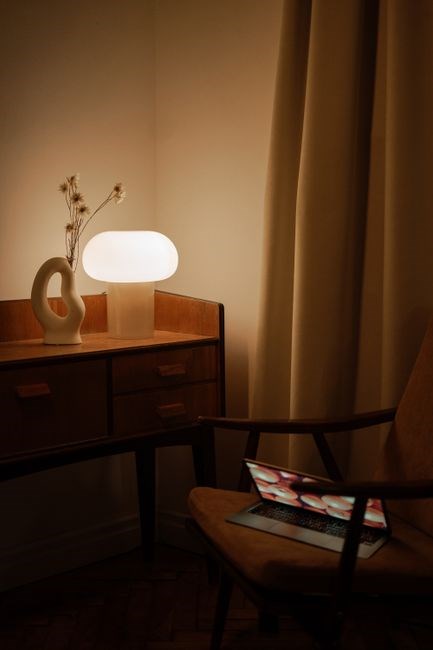
This guide helps you choose the right lamp for any space, balancing style, light quality, and efficiency. It covers key factors such as brightness, color temperature, and energy use, while offering practical buying tips and common pitfalls to avoid.
It highlights how to balance illumination with style room !!!!
Purpose of the Guide
Understanding the lamp buying process can transform a simple purchase into a strategic investment that enhances both aesthetics and functionality. This guide is designed to equip homeowners, renters, designers, and DIY enthusiasts with a clear framework for evaluating lighting options. By breaking down the decision into manageable steps—identifying needs, assessing technical specifications, and aligning style with space you gain confidence in selecting fixtures that perform reliably over time. The purpose is not merely to list products but to demystify the criteria that matter most: lumen output, color rendering, energy consumption, and durability. Additionally, the guide addresses common misconceptions such as equating higher wattage with brighter light or assuming that the most expensive lamp guarantees superior quality. It emphasizes the importance of matching light temperature to the intended mood, whether it’s warm, neutral, or cool. By highlighting the trade‑offs between LED, incandescent, and halogen technologies, readers learn how to balance upfront costs with long‑term savings. The guide also incorporates practical tips for measuring room dimensions, calculating required illumination levels, and selecting appropriate fixture heights to avoid glare or shadows. Finally, it offers a concise checklist that can be used at the point of sale to verify that all critical factors have been considered. Whether you’re outfitting a cozy reading nook or a modern office, this resource serves as a reliable companion for making informed, sustainable lighting choices. By integrating these insights, readers can confidently navigate the market, prioritize features that align with their lifestyle, and ultimately create illuminated environments that reflect personal taste while promoting well‑being and energy stewardship for every day living space!!! ??
Who Should Read It
Whether you’re a first‑time buyer, a seasoned decorator, or a homeowner looking to upgrade your living space, this guide is tailored for anyone who wants to make a lamp bright, soft, warm, deep selection. New homeowners often face the challenge of choosing fixtures that fit both budget and design, and this resource breaks down each step into clear, actionable advice. Experienced designers appreciate the emphasis on technical specifications—lumens, color rendering index, and energy efficiency—because these metrics directly impact project outcomes. Renters benefit from understanding how to choose portable, versatile lamps that comply with lease restrictions while still delivering optimal lighting, ensuring productivity without eye strain. Students and office workers find value in sections that explain how to balance task lighting with ambient comfort, ensuring productivity without eye strain. Even hobbyists who enjoy DIY lamp projects will discover useful insights on selecting compatible bulbs and fixtures for custom builds. Finally, anyone concerned about sustainability will appreciate the focus on LED technologies and the long‑term savings they offer. By addressing a broad spectrum of readers, the guide ensures that every individual, regardless of experience level or specific needs, can navigate the lamp market with confidence and clarity. In addition, the guide highlights how to assess fixture placement, considering factors such as ceiling height, room size, and the presence of windows or reflective surfaces. It also explains the importance of choosing lamps that offer brightness, temperature to accommodate times of day/night. By integrating these practical considerations, readers can create lighting schemes that not only look cohesive but also lift energy savings time.
Types of Lamps
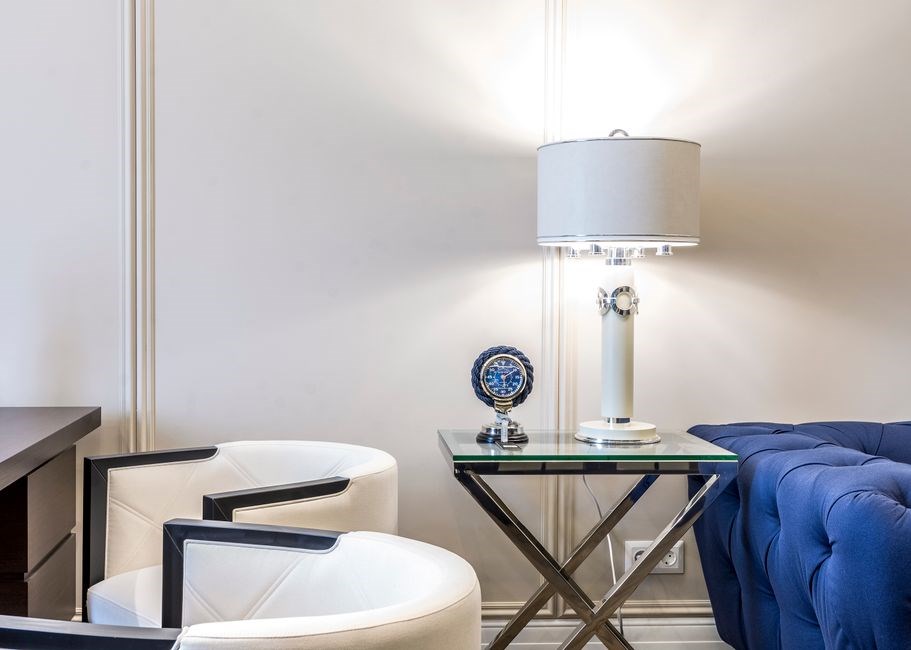
Explore the main categories: table lamps for focused desk lighting, floor lamps that add height and ambiance, and wall sconces that save space. Each type offers unique style, brightness, and placement options, helping you match function with décor. Ideal for any budget or style, space!!.
Table Lamps
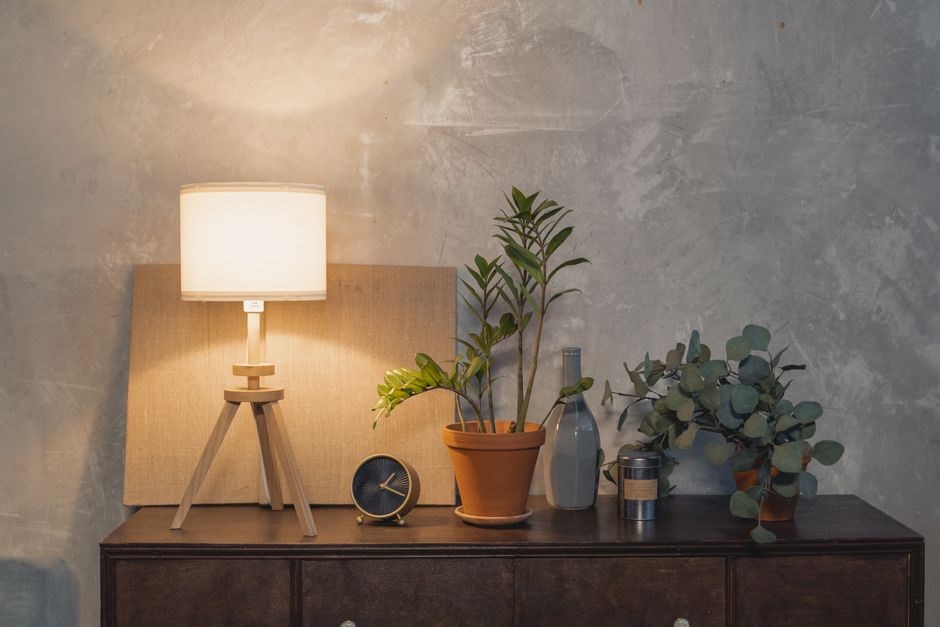
Table lamps combine style and function, fitting side tables, desks, or bedside tables. They offer focused light for reading, working, or creating a cozy ambiance. When choosing, consider height, shade material, and base design to match décor and lighting needs.
Key aspects to evaluate include:
- Shade Color and Texture: Light‑transmitting fabrics such as linen or cotton soften harsh light, while opaque shades create a dramatic silhouette. The shade’s hue can influence mood—warm tones for relaxation, cool tones for productivity. Its adjustable arm and dimming options allow precise control over brightness, ideal for workleisure.
- Base Material: Metal bases offer a modern, industrial feel, whereas wooden or ceramic bases lend a rustic or classic touch. A sturdy base ensures stability, especially on uneven surfaces.
- Bulb Compatibility: Check the lamp’s socket type (E26, E27, GU10, etc.) and wattage limit. LED bulbs are energy‑efficient and long‑lasting, but some lamps are designed specifically for incandescent or halogen bulbs for a warmer glow.
- Adjustability: Many table lamps feature a flexible arm or a swivel head, allowing you to direct light precisely where needed. This is particularly useful for reading or detailed tasks.
- Power Source: Corded lamps provide continuous power but limit placement to outlets. Cordless or battery‑powered options offer greater mobility, ideal for temporary setups or travel.
Floor Lamps
Floor lamps are versatile lighting fixtures that can transform a room’s atmosphere. They provide ambient, task, or accent light, depending on design and placement. When selecting a floor lamp, consider its height, shade style, and base stability to ensure it complements the space and meets functional needs.
Key factors to evaluate include:
- Height and Proportion: A lamp that is too short may cast shadows, while an overly tall lamp can dominate a room. Aim for a height that balances with furniture and ceiling height, typically 5–7 feet for standard rooms.
- Shade Design: Fabric or paper shades diffuse light, creating a soft glow. Metal or glass shades reflect light more directly, offering brighter illumination. The shade’s shape—round, square, or tapered—can influence the light spread and aesthetic.
- Base Stability: A wide, heavy base prevents tipping, especially in high‑traffic areas. Some floor lamps feature adjustable legs or a tripod base for added flexibility and balance.
- Light Source Compatibility: Check the socket type (E26, E27, GU10) and the lamp’s maximum wattage. LED bulbs are energy‑efficient and long‑lasting, but some designs are optimized for incandescent or halogen bulbs for a warmer, richer glow.
- Adjustability and Features: Many floor lamps include adjustable arms, dimming controls, or built‑in USB ports for charging devices. These features enhance convenience and allow you to tailor lighting to specific tasks.
Placement tips: Position floor lamps near seating areas for reading or conversation, or use them as focal points beside artwork or plants. Ensure the lamp’s base does not obstruct pathways, and consider the lamp’s footprint relative to the room’s layout.

Key Features to Consider
Focus on brightness, color temperature, energy efficiency, and durability. Choose bulbs that match your mood, use LED for savings, and ensure the lamp’s shade diffuses light evenly. Check warranty and read reviews for long‑term performance. Great for reading or ambient lighting.!!
Light Output & Color Temperature
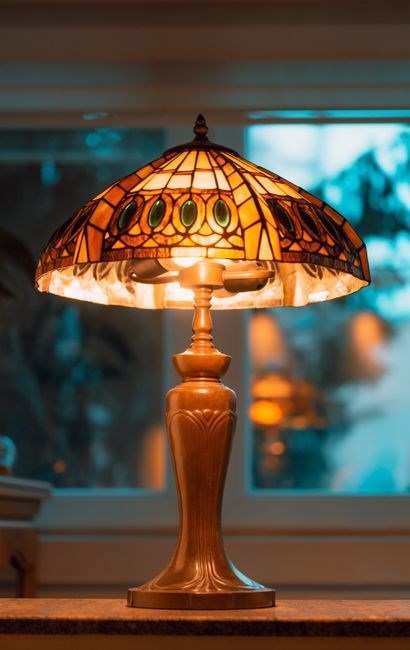
When selecting a lamp, the first technical detail to scrutinize is its luminous output, measured in lumens. A higher lumen count translates to brighter illumination, but the perceived brightness also depends on the lamp’s design and the room’s size. For a cozy bedroom or a reading nook, 800–1,200 lumens is typically adequate. In contrast, a living room or office may benefit from 1,500–2,500 lumens to evenly illuminate larger surfaces.
Color temperature, expressed in Kelvin (K), dictates the hue of the emitted light. Warm white (2,700–3,000 K) offers a soft, amber glow that is inviting for relaxation spaces. Neutral white (3,500–4,000 K) balances warmth and clarity, making it suitable for kitchens and work areas. Cool white (4,500–5,000 K) or daylight (5,000–6,500 K) provides a crisp, energizing effect, ideal for task lighting or creative studios.
Modern LED fixtures often feature adjustable color temperatures, allowing you to shift from a cozy evening ambiance to a bright, focused work setting with a simple touch. When choosing bulbs, consider the manufacturer’s color rendering index (CRI); a CRI of 80 or higher ensures accurate color representation, which is especially important for décor, artwork, and tasks requiring color discrimination.
In addition to lumens and Kelvin, pay attention to the lamp’s beam angle. A narrow, focused beam is best for accent lighting or reading, while a wide, diffuse beam suits ambient lighting. Some lamps incorporate dimming capabilities, giving you control over both brightness and mood. Finally, verify that the lamp’s wattage rating aligns with your electrical circuit to avoid overloading outlets.
Energy Efficiency & Longevity
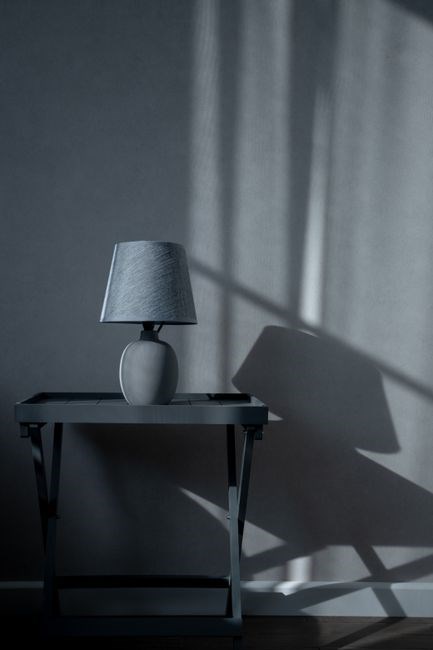
Energy efficiency is measured by lumens per watt (lm/W), indicating how much light you get for each unit of power consumed. LED bulbs typically achieve 80–120 lm/W, far surpassing incandescent or halogen lamps, which hover around 10–20 lm/W. A higher lm/W rating means lower electricity costs and a smaller carbon footprint.
Longevity is expressed in hours of expected use. Modern LEDs can last 25,000–50,000 hours, while compact fluorescents (CFLs) range from 8,000–15,000 hours, and incandescent bulbs rarely exceed 1,000 hours. When evaluating a lamp, consider the total cost of ownership: a slightly pricier LED may save you money over time by reducing replacement frequency and energy bills.
Look for certifications such as ENERGY STAR or the EU’s EcoLabel, which confirm that a product meets stringent efficiency and durability standards. Many manufacturers also provide a warranty period that reflects confidence in the lamp’s lifespan; a 5‑year guarantee often correlates with higher build quality.
Additionally, consider the lamp’s thermal management. Heat can degrade LED performance, so the lamp’s internal components generate less heat, reducing wear on internal components and prolonging its useful life. Some smart bulbs include temperature sensors that adjust brightness to keep components within safe operating ranges, extending their useful life.
Finally, remember that energy efficiency and longevity are interrelated: a lamp that consumes less power typically generates less heat, reducing wear on internal components and prolonging its useful life.!!
Buying Tips & Common Mistakes
Prioritize lamp size, brightness, and fixture compatibility. Check wattage limits, verify LED quality, and read reviews for real-world performance. Avoid overpaying for brand names; compare specs and energy ratings to ensure value. Check dimmer compatibility before purchase!!
Matching Lamp Style with Room Décor
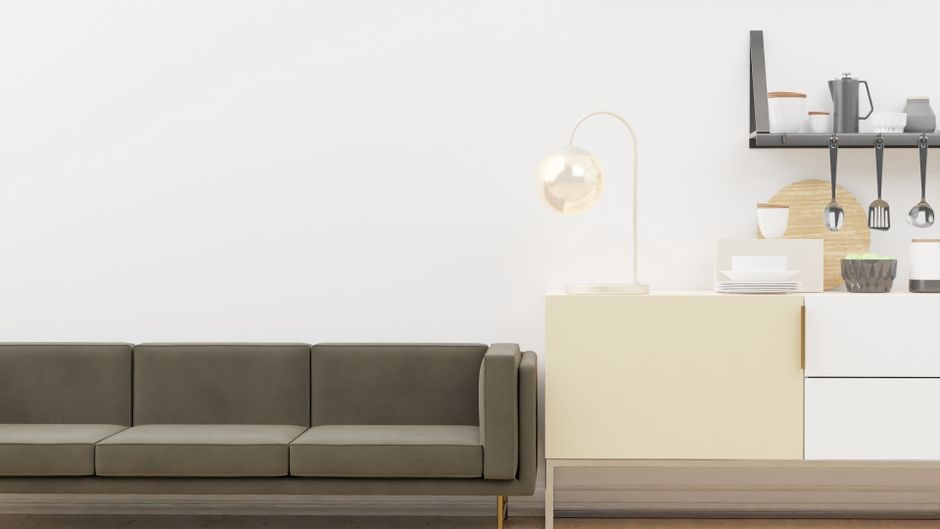
Choosing a lamp that complements your interior design requires a blend of aesthetics, function, and subtlety. Start by identifying the dominant color palette and architectural style of the room. In a modern minimalist setting, sleek metal or matte black fixtures with clean lines enhance the uncluttered look. For a rustic cabin, warm‑toned brass or distressed wood lamps echo natural textures. A classic Victorian room benefits from ornate brass bases, crystal shades, and rich upholstery, while a boho space thrives on eclectic mix‑and‑match pieces, such as vintage Edison bulbs paired with handcrafted ceramic bases.
Consider the lamp’s scale relative to furniture and wall space. A tall floor lamp can anchor a large living area, whereas a small table lamp works well on a bedside or desk. The lamp’s silhouette should echo architectural elements—arched ceilings call for tall, slender lamps; low ceilings favor short, wide fixtures. Materials also play a role: glass or crystal shades reflect light and add elegance, while fabric shades diffuse warmth and soften harshness.

Lighting color temperature must harmonize with décor. Warm white (2700–3000 K) creates cozy, inviting atmospheres ideal for living rooms and bedrooms. Cool white (4000–5000 K) suits kitchens, bathrooms, and workspaces where clarity and focus are needed. Daylight (5000–6500 K) is perfect for art studios or offices that require accurate color rendering.
Layering light sources—ambient, task, and accent—provides flexibility and mood control. Combine a main lamp with a smaller accent lamp that highlights artwork or architectural features. Use dimmers to adjust intensity, allowing a single lamp to serve multiple purposes throughout the day. When selecting a lamp, also think about the fixture’s maintenance: easy‑to‑clean shades and replaceable bulbs reduce long‑term hassle. Finally, trust your intuition. If a lamp feels right, it will likely enhance the room’s character. Test a lamp in the actual space if possible, or use a high‑resolution image to visualize how it will sit among existing furnishings. By balancing style, scale, and lighting needs, you can create a harmonious environment that reflects your personal taste and functional requirements.
Avoiding Overpricing and Misleading Claims
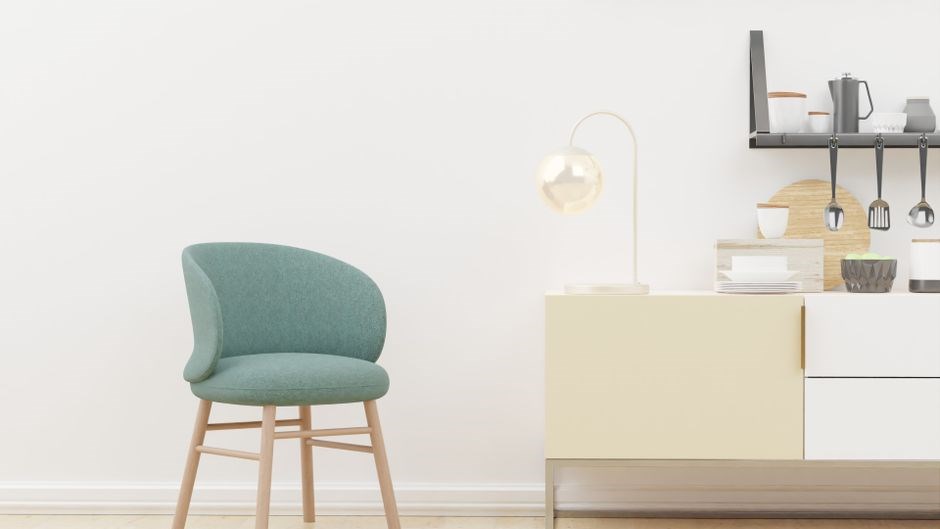
When navigating lamp purchases, price transparency and factual claims are paramount. Start by researching the lamp’s actual lumen output, not just the advertised “bright” label. A 400‑watt incandescent bulb can produce roughly 6,000 lumens, whereas a 10‑watt LED may deliver the same brightness with a fraction of the cost. Compare the lumen‑per‑watt ratio to gauge true efficiency. Additionally, verify the color rendering index (CRI) to ensure colors appear natural; many budget models exaggerate CRI, claiming 90+ when the real value is closer to 70.
- Check for third‑party certifications. Energy Star, UL, or CE marks confirm compliance with energy and safety standards, reducing the risk of misleading efficiency claims.
- Beware of “smart” buzzwords. Terms like “intelligent lighting” or “AI‑controlled” often refer to simple dimming or scheduling features, not genuine artificial intelligence. Confirm the product’s specifications before paying a premium.
- Read independent reviews. Reputable sites such as Consumer Reports or Wirecutter provide objective testing of brightness, lifespan, and build quality, helping you spot overpricing.
- Compare warranties. A 5‑year warranty on a lamp’s base or bulb is an indicator of reliability; a short or no warranty may signal lower quality.
- Watch out for bundled claims. “All‑in‑one” packages that include a lamp, smart hub, and extra bulbs often inflate the price. Separate the components and compare each individually.
Finally, trust your instincts. If a deal seems too good to be true, it likely is. A well‑researched lamp that meets your lighting needs without exaggerated claims offers the best long‑term value!!!
& Further Resources

Summarizing key lamp‑buying insights, this guide emphasizes balanced brightness, energy efficiency, and style. For deeper dives, consult trusted retailers, independent reviews, and industry standards to ensure informed, budget‑friendly decisions.
- Official LED Standards
- Consumer Reports
Summarizing the Essentials
This guide offers a concise overview of lamp selection, covering key aspects such as brightness, color temperature, energy efficiency, and style compatibility. By focusing on these fundamentals, you can make informed choices that enhance both function and aesthetics in any living space. This guide offers a concise overview of lamp selection, covering key aspects such as brightness, color temperature, energy efficiency, and style compatibility. By focusing on these fundamentals, you can make informed choices that enhance both function and aesthetics in any living space. This guide offers a concise overview of lamp selection, covering key aspects such as brightness, color temperature, energy efficiency, and style compatibility. By focusing on these fundamentals, you can make informed choices that enhance both function and aesthetics in any living space. This guide offers a concise overview of lamp selection, covering key aspects such as brightness, color temperature, energy efficiency, and style compatibility. By focusing on these fundamentals, you can make informed choices that enhance both function and aesthetics in any living space. Choosing the right lamp not only brightens rooms but also sets the tone, making everyday moments feel more inviting and purposeful today.!!
Links to Trusted Retailers and Reviews
For reliable lamp purchases, start with well‑known retailers that offer a wide selection and solid return policies. Amazon (https://www.amazon.com) provides user reviews and fast shipping. Home Depot (https://www.homedepot.com) and Lowe’s (https://www.lowes.com) feature in‑store pickup and expert advice. IKEA (https://www.ikea.com) offers modern designs at budget prices. Wayfair (https://www.wayfair.com) and Walmart (https://www.walmart.com) have extensive online catalogs. Target (https://www.target.com) and Best Buy (https://www.bestbuy.com) carry both LED and traditional lamps. For specialty lighting, Philips (https://www.philips.com) and GE (https://www.ge.com) provide high‑quality fixtures.
To ensure you’re choosing the best product, consult independent review sites. Wirecutter (https://www.nytimes.com/wirecutter) and Consumer Reports (https://www.consumerreports.org) offer in‑depth lamp comparisons. CNET (https://www.cnet.com) and Good Housekeeping (https://www.goodhousekeeping.com) publish buyer guides and user feedback. The Strategist (https://nymag.com/strategist) and TechRadar (https://www.techradar.com) also feature lamp round‑ups. Checking multiple sources helps verify claims about brightness, longevity, and energy savings, ensuring you make a purchase that meets both your style and functional needs.
When comparing prices, use price‑comparison tools and look for sales. Reading customer testimonials can reveal performance and durability. Finally, consider warranty terms and return policies to protect your investment over time. and enjoy a brighter efficient space now