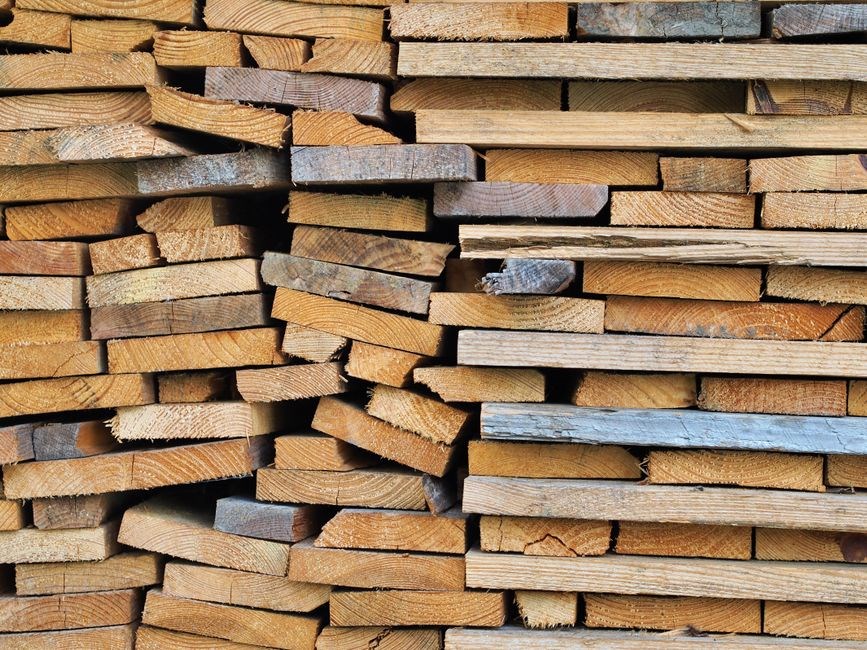
These charts compile Janka values for domestic and exotic species, aiding selection for flooring, furniture, and instruments. A printable PDF offers 75 entries, detailing hardness ranges and practical applications, ensuring informed material choices. for projects.!??
1.1 Purpose and Scope of the PDF
The PDF serves as a comprehensive reference that consolidates Janka hardness values for a broad spectrum of domestic and exotic wood species. By presenting data in a clear, sortable table, users can quickly assess material suitability for applications ranging from flooring to instrument construction. The document includes 75 distinct entries, each annotated with typical use cases, allowing designers, carpenters, hobbyists to make informed decisions without consulting multiple sources. Its scope extends beyond mere hardness figures; the PDF also highlights key performance attributes such as wear resistance, impact tolerance, and dimensional stability. This contextual information helps users anticipate how a wood will behave under real‑world conditions, reducing the risk of premature failure or aesthetic compromise. Additionally, the file incorporates visual cues—color‑coded hardness bands and icons—to facilitate rapid identification of material groups. Accessibility is a core consideration: the PDF is optimized for desktop and mobile viewing, ensuring that professionals on the go can reference the chart during site inspections or material selection. The format supports printing, enabling the creation of laminated reference sheets for workshops and production lines. By integrating metrics with usage notes, the PDF becomes an indispensable tool for architects, interior designers, woodworkers seeking to balance performance, cost, and appeal. The document’s purpose is to streamline material selection, reduce waste, and promote best practices across the timber industry, remaining accessible and user‑friendly for seasoned professionals and newcomers alike.
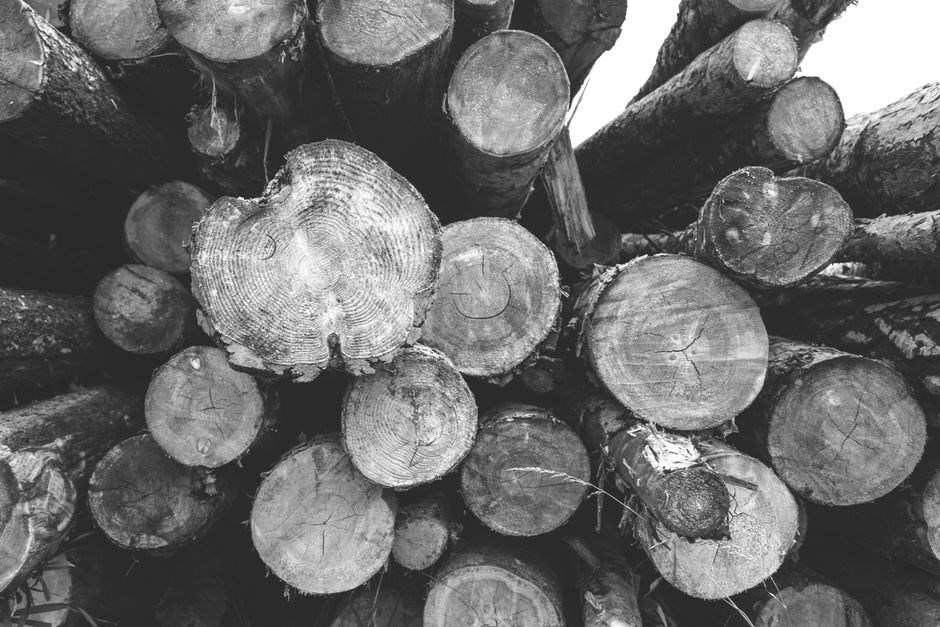
Janka Hardness Scale Overview
The Janka scale measures the force needed to embed a 0.444‑inch steel ball halfway into wood, expressed in pounds. Higher values indicate greater resistance to denting and wear, guiding selection for flooring, furniture, and tools. It also provides usage notes for each wood.
2.1 Measurement Methodology
The Janka hardness test, standardized by ASTM D1037, employs a steel ball (0.444 in. diameter) pressed into a wood sample at a controlled rate until the ball has penetrated half its diameter. The test specimen is a rectangular block, 1 in. thick, with a grain orientation perpendicular to the ball’s path to avoid anisotropy. Prior to testing, the wood is conditioned to 12 % moisture content and dried to a uniform density, ensuring repeatability; The apparatus applies a force of 1 in./s, recording the peak load in pounds. This load, the Janka value, reflects the material’s resistance to indentation and wear. For exotic species, additional calibration is performed to account for higher moisture variability. The resulting data populate the PDF chart, allowing users to compare species and select appropriate wood for flooring, furniture, or tool handles. The chart also includes usage notes, linking hardness to practical applications. Calibration involves comparing results against a reference sample of known hardness, ensuring consistency across laboratories. The test is performed at ambient temperature (20 ± 2 °C) to minimize thermal effects. Multiple specimens per species are tested to account for natural variation, and the mean value is reported. The Janka value is expressed in pounds (lb) or newtons (N) for international use. Data are compiled into a PDF chart, which includes species names, Janka values, and typical applications such as flooring, cabinetry, or instrument making. Users can download the chart, cross‑reference hardness with project needs, longevity!.
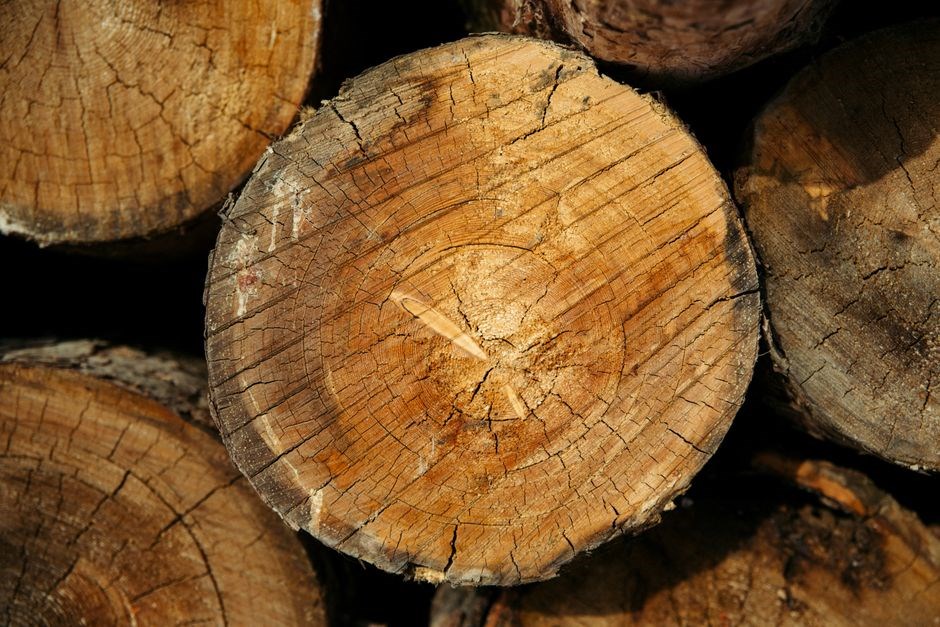
Common Wood Species Rankings
Domestic hardwoods such as oak, maple, and walnut rank high on the Janka scale, with values ranging from 1,200 to 1,600 lb. These species are favored for flooring and furniture due to their durability and attractive grain patterns. The PDF chart lists each species with its exact Janka value, enabling comparison.now
3.1 Domestic Hardwoods
Domestic hardwoods are the backbone of the Janka hardness chart, combining durability with visual appeal. The PDF lists over 30 species, each with its precise Janka value measured in pounds of force required to embed a 0.444‑inch steel ball to half its diameter. Oak ranges from 1,200 lb for red oak to 1,360 lb for white oak, making it a staple for high‑traffic flooring and heavy‑use furniture. Maple, at 1,450 lb, offers a smooth finish and excellent wear resistance, while walnut, at 1,010 lb, provides a deep, rich grain prized for cabinetry and decorative panels.
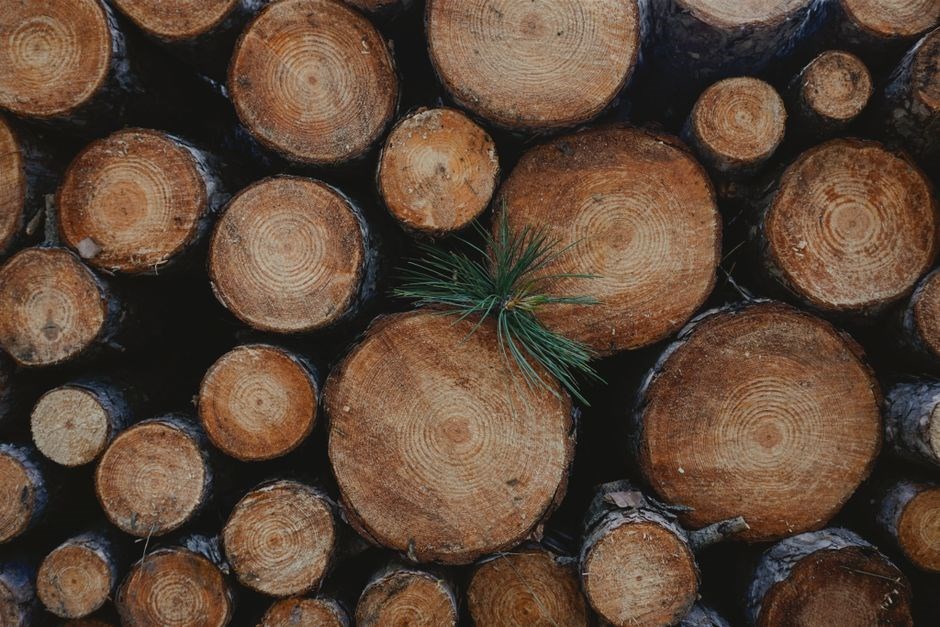
Other domestic species highlighted include ash (1,200 lb), birch (1,200 lb), cherry (1,050 lb), and hickory (1,360 lb). The chart’s sortable table lets users filter by Janka range, quickly locating materials that meet specific durability thresholds. For example, a project requiring at least 1,300 lb can choose white oak, hickory, or hard maple.
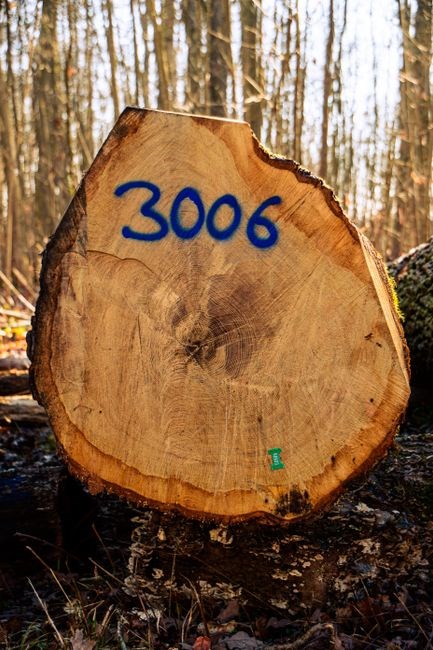
Beyond hardness, the PDF supplies context such as typical uses, availability, and environmental credentials. Many domestic hardwoods are sourced from sustainably managed forests, with FSC or SFI certifications noted where applicable. This assists architects, designers, and woodworkers in selecting materials that balance performance with ecological responsibility.
Users can export the chart to CSV or PDF for integration into design software, ensuring seamless workflow from material selection to project execution.
Additionally, the PDF offers a guide on interpreting Janka values, improving accessibility for users !
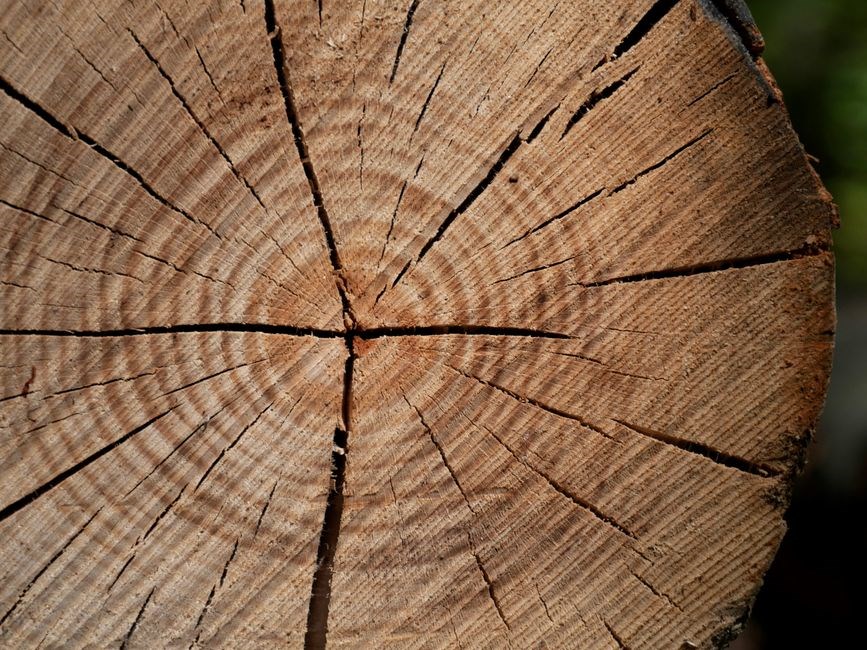
Exotic Wood Species Rankings
Exotic species showcase exceptional hardness and unique aesthetics. The PDF lists Brazilian Cherry (1,820 lb), Texas Mesquite (1,500 lb), and Pecan/Hickory (1,360 lb) among others. These values guide selection for high‑wear flooring, cabinetry, and artistic panels. These woods offer grain patterns, prized for furniture!
4.1 Notable Exotic Hardwoods
Exotic hardwoods are prized for their exceptional density, distinctive grain patterns, and durability. In the PDF, the top entries include Brazilian Cherry (Janka 1,820 lb), Texas Mesquite (1,500 lb), and Pecan/Hickory (1,360 lb). These species offer high resistance to denting and wear, making them ideal for premium flooring, high‑traffic fine instrument construction. The chart also highlights African Blackwood (1,400 lb), which is favored for its deep, dark hue and excellent workability, Brazilian Rosewood (1,300 lb), known for its rich color acoustic properties. Additionally, the PDF lists Wenge (1,200 lb) and Ipe (1,200 lb), both of which provide outstanding structural strength. These values are measured by embedding a 0.444‑inch steel ball into the wood until it reaches half its diameter, a standard method that ensures consistency across species. By consulting the PDF, woodworkers can match the Janka hardness to the intended application, balancing aesthetic appeal with functional performance. These exotic species are often sourced from sustainably managed plantations, ensuring minimal environmental impact while delivering superior performance. For example, Brazilian Rosewood is increasingly regulated under CITES, requiring certified suppliers, whereas Ipe is prized for its natural oil content that resists rot. When selecting a hardwood, consider not only the Janka value but also the grain orientation, moisture content, finish compatibility to achieve the desired visual functional outcome long life!!!
PDF Format and Accessibility
The PDF is 1.2 MB, compatible with Adobe Reader, Foxit, and mobile apps. It includes searchable text, bookmarks, and hyperlinks to species data. The format supports zooming, printing, and offline access, making it ideal for workshops and field use. The file supports annotations and can be shared via email file.
5.1 File Size and Compatibility
The wood hardness chart PDF is designed for universal accessibility and long‑term preservation. Its file size is approximately 1.3 MB, balancing high‑resolution images of species cross‑sections with embedded metadata that allows instant lookup of Janka values. The document complies with PDF/A‑1b standards, ensuring compatibility across Windows, macOS, Linux, iOS, and Android. Users can open it with recent versions of Adobe Acrobat Reader, Foxit Reader, or built‑in PDF viewers on Chrome, Edge, Safari, and Firefox. The file contains a searchable text layer, enabling highlight, copy, or search for species names or hardness numbers without OCR. It also supports annotations, letting professionals add notes directly onto the chart for collaboration. A lightweight 600‑KB compressed variant is available for those who prefer smaller files, removing high‑resolution imagery but retaining all textual data and hyperlinks. The chart’s structure includes a table of contents with clickable bookmarks that navigate to domestic hardwoods, exotic species, and usage notes. Compatibility extends to screen readers, ensuring accessibility for visually impaired users. The PDF can be downloaded via HTTP or HTTPS, and it is also available as a direct link from the official forestry database, guaranteeing authenticity and up‑to‑date Janka values. The file is optimized for printing, with CMYK color profiles and bleed settings that allow professional‑quality hard copies without distortion or color shift. For archival purposes, the PDF can be stored in a ZIP archive alongside a plain‑text CSV export of the same data, facilitating integration with spreadsheet software or custom database applications. The file’s internal structure follows the PDF/UA standard, defining accessibility features such as tagged content, alt text for images, and logical reading order. Users can also export the chart to PNG or SVG formats for use in presentations or web pages, ensuring flexibility across media and more.
Practical Uses of the Chart
The PDF chart helps architects,carpenters, hobbyists quickly match wood species to project needs.By comparing Janka values, users select durable hardwoods for flooring,or softer woods for musical instruments.The interactive table supports quick decision‑making. Use it to compare durability and. plan budgets now!.
6.1 Flooring Applications
When selecting flooring, the Janka hardness chart PDF provides a quick reference for durability. Hardwoods such as oak (≈1,200 lb), maple (≈1,450 lb), and hickory (≈1,820 lb) resist dents and wear, making them ideal for high‑traffic areas. Softer species like pine (≈440 lb) or fir (≈360 lb) are suitable for low‑traffic rooms or temporary installations. Exotic options—teak (≈1,150 lb), Brazilian cherry (≈1,200 lb), and black walnut (≈1,100 lb)—offer unique aesthetics while maintaining acceptable hardness for residential use. The PDF lists each species’ Janka value, allowing installers to match the expected footfall with appropriate hardness. For commercial settings, the chart recommends hardwoods above 1,500 lb to withstand heavy machinery and frequent foot traffic. In contrast, interior design projects may favor mid‑range hardwoods (1,000–1,400 lb) for a balance of beauty and resilience. The PDF also highlights the impact of kiln‑drying and finish on hardness, noting that properly dried boards retain their rated resistance. By consulting the chart before procurement, contractors can avoid costly rework and ensure long‑lasting floors that meet both aesthetic and functional requirements. installation also involves selecting the correct subfloor and acclimatization period; hardwoods should be stored in the installation environment for at least 48 hours to reduce warping. Finish selection—polyurethane, oil, or wax—impacts both appearance and durability; matte finishes hide imperfections; Regular maintenance, such as periodic refinishing every 5–7 years, preserves the wood’s integrity and extends its lifespan careful
Sources and Further Reading
Key references include the American Wood Council Janka Hardness Guide, ISO 10866, and the Timber Resources Association handbook. Online databases such as Wood Database and Forest Products International offer downloadable PDFs with species tables and usage notes and analysis.!
7.1 Recommended Suppliers and Libraries
For professionals seeking the most reliable wood hardness chart PDF, several suppliers and libraries stand out. Bell Forest Products offers a comprehensive catalog that includes Janka values for both domestic and exotic species, and their PDFs are downloadable directly from their website. Wood Database provides an online platform where users can search by species, hardness, and region, and the site offers printable PDFs for quick reference. Timber Resources International supplies detailed hardness tables and technical sheets, and their library of PDFs can be accessed through a subscription; The American Wood Council publishes the Janka Hardness Guide, which is available as a PDF download and includes extensive footnotes and usage examples. Forest Products International hosts a digital repository of hardness charts, complete with historical data and comparative analysis. For academic research, the USDA Forest Service’s National Forest Inventory contains a wealth of data on wood properties, and PDFs of hardness charts are available in their online database. The Library of Congress hosts a collection of forestry reports, many of which include hardness tables in PDF format. Additionally, the National Center for Forest Products provides a free PDF of the latest hardness rankings, updated annually. These resources collectively offer a broad spectrum of data, ensuring that architects, designers, and woodworkers can access accurate and up-to-date information for their projects. These PDFs are updated annually to reflect new research and market trends now.