
Accurate watch measurement starts with understanding wrist size, case dimensions, and strap compatibility․ By measuring your wrist with a flexible tape or paper strip, noting the circumference in millimeters, you can match the ideal lug‑to‑lug distance and case diameter for a comfortable fit․!!
Understanding Wrist Circumference
When selecting a timepiece, the first and most crucial measurement is the wrist circumference․ This figure determines the overall fit and comfort of the watch on your wrist․ To obtain an accurate reading, wrap a flexible measuring tape or a strip of paper snugly around the wrist just above the wrist bone—where a watch would naturally sit․ Mark the point where the tape meets and record the measurement in millimeters․ A small tolerance is typically allowed for steel bracelets, as the metal links can compress slightly when tightened․ For most consumers, a difference of 1–2 mm between the measured circumference and the watch’s recommended size is acceptable․ If the bracelet cannot be adjusted beyond this range, consider a different strap material or a watch with a slightly larger lug‑to‑lug distance․ In practice, many watch manufacturers provide a sizing chart that correlates wrist circumference to recommended case diameter and lug spacing․ By cross‑referencing your measurement with these charts, you can narrow down the optimal watch size before making a purchase․ Additionally, it is advisable to measure your wrist at the same time of day, as swelling can affect the reading․ Consistent measurement ensures that the watch will fit comfortably whether you’re at work, exercising, or relaxing at home․ Some brands offer adjustable bracelets that allow fine‑tuning of the fit, but these often come with a limited range of motion․ For those who prefer leather or rubber straps, the elasticity can accommodate minor variations in wrist size, making them a flexible choice for everyday wear․ Conversely, metal bracelets, while durable, may feel restrictive if the wrist circumference is near the lower end of the recommended range․ Therefore, it is essential to consider not only the raw measurement but also the type of strap you intend to use․ If you are between two recommended sizes, choose the larger case to avoid a tight fit․ Finally, remember that wrist circumference is just one factor; the watch’s overall silhouette, weight, and personal style preferences also play a role in achieving the perfect match․

Case Diameter and Its Impact on Appearance
Case diameter also affects how a watch feels during daily activities․ A larger case offers a prominent display, easier to read in dim light or while wearing gloves․ A smaller case feels less intrusive during workouts or when you prefer a minimalist look․ The material—steel, titanium, ceramic—can change perceived size; matte finishes appear slimmer than polished ones․ Silhouette;!! Try on multiple sizes, observe fit relative to wristEnjoy now․
Lug-to-Lug Distance: The Key Fit Metric
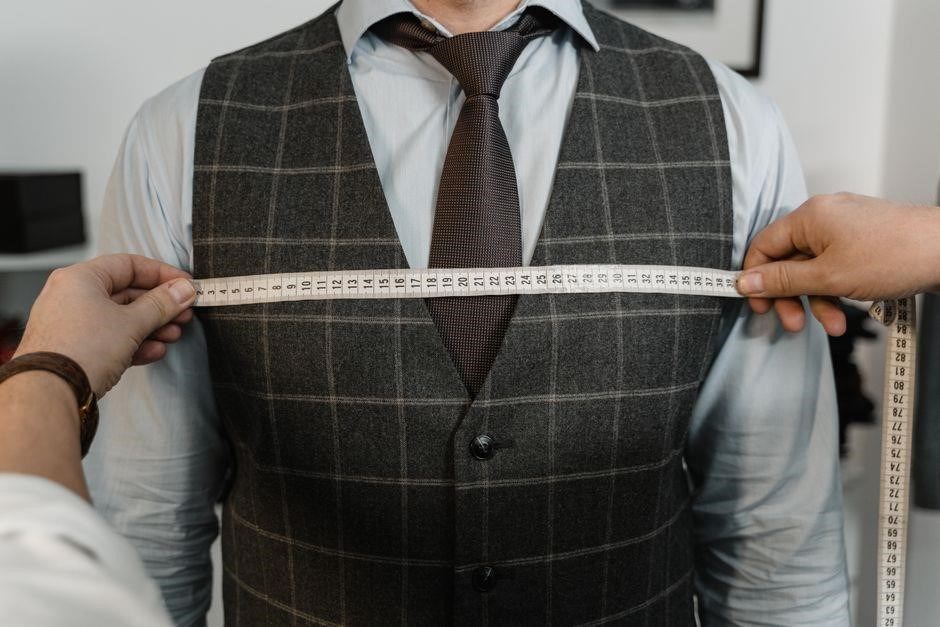
When selecting a watch, the lug‑to‑lug distance is the most critical dimension that determines how the case sits on your wrist․ This measurement, taken from the inner edge of one lug to the inner edge of the opposite lug, reflects the overall width of the watch body․ A distance that matches your wrist circumference ensures that the case does not slide or press unevenly, providing a secure and comfortable fit․ Most manufacturers provide lug‑to‑lug figures in millimeters, ranging from 30mm for petite models to 42mm for larger, sport‑oriented pieces․ A distance that is too narrow can cause the watch to feel loose and wobble, while an overly wide measurement may create a tight, constricting sensation that can be uncomfortable over extended wear․ To find the ideal match, measure your wrist just above the wrist bone, wrap a flexible tape or paper strip, and note the circumference in millimeters․ Then, compare that figure to the lug‑to‑lug range of the watch․ A general rule of thumb is to choose a lug distance that is roughly 2–4mm smaller than your wrist circumference, allowing for the strap’s thickness and a small safety margin․ Additionally, consider the strap material: leather or rubber straps add bulk, whereas metal bracelets may compress slightly․ By aligning the lug‑to‑lug dimension with your wrist size, you achieve a balanced look that complements both the watch’s design and your personal style․ Remember to account for the strap’s thickness and any accessories when finalizing your choice․ !!
Case thickness, measured from the back of the case to the front of the dial, directly influences how a watch feels against the skin․ A thicker case can add weight and a sense of solidity, but it may also press into the wrist, especially on smaller wrists or when the strap is a rigid metal bracelet․ Conversely, a slim case offers a lighter feel and a more subtle profile, which many wearers prefer for everyday comfort․ The ideal thickness typically falls between 8 mm and 12 mm for most mid‑size watches; anything above 15 mm can feel bulky, while below 6 mm may appear fragile․ When evaluating a watch, consider the strap material: leather or rubber straps can cushion a thicker case, whereas metal bracelets may amplify the pressure․ Additionally, the case’s internal structure—such as a thick bezel or a heavy crown—contributes to the overall mass․ A well‑balanced case thickness ensures the watch sits evenly across the wrist, preventing the watch from sliding or creating a “pocket” effect․ For those with larger wrists, a slightly thicker case may be acceptable, but for smaller wrists, opting for a thinner profile can enhance comfort and reduce the risk of irritation․ Always test the watch on your wrist before purchasing, and remember that the perceived weight also depends on the watch’s material composition and the strap’s flexibility․ Manufacturers often design case thickness to balance durability and aesthetics; a thicker case may better protect the movement from shocks, while a thinner case reduces bulk․ Finally, personal preference plays a role: some collectors enjoy the presence of a substantial case, while others prioritize a minimalist silhouette․ Choosing the right thickness balances style and comfort․ !!
Dial Diameter and Visual Balance
Dial diameter, the width of the watch face, is a primary visual cue that determines how a timepiece harmonizes with the wearer’s wrist․ A larger dial can create a bold statement, drawing attention to the wrist and making the watch appear more substantial․ Conversely, a smaller dial offers a subtle, understated presence that blends seamlessly with everyday attire․ The relationship between dial size and case diameter is crucial: a 40 mm dial on a 42 mm case feels balanced, whereas a 36 mm dial on a 44 mm case may appear disproportionate, causing visual tension․ Designers often use the “golden ratio” to guide dial placement, ensuring that the dial’s center aligns with the wrist’s natural curvature․ When selecting a watch, consider how the dial’s color, texture, and numerals interact with the case’s material․ A high‑contrast dial on a matte case can enhance readability, while a luminous dial on a polished metal case can accentuate the watch’s elegance․ Additionally, the dial’s depth—how far it protrudes from the case—affects the overall silhouette․ A shallow dial maintains a sleek profile, while a deep dial adds depth and a sense of craftsmanship․ Finally, personal preference and lifestyle play roles: athletes may favor larger, easier‑to‑read dials, whereas professionals might opt for smaller, refined faces that complement formal wear․ Balancing dial diameter with case size, strap width, and wrist circumference ensures a harmonious look that feels both comfortable and visually appealing․ Fit feels․
Lug Width and Strap Compatibility
Lug width, measured from the inner edge of one lug to the inner edge of the opposite lug, determines the overall breadth of the watch case and directly influences strap or bracelet fit․ A narrow lug width (typically 12–14 mm) pairs well with slim leather or nylon straps, offering a sleek, low‑profile look that sits comfortably on smaller wrists․ Wider lugs (15–18 mm or more) accommodate bulkier metal bracelets or thicker rubber bands, providing stability for larger wrists and ensuring the strap does not sag or twist․ When selecting a strap, the lug width must match the strap’s mounting width; most manufacturers specify a recommended lug width range to prevent misfits․ For example, a 14 mm lug case will accept a 14 mm strap but may struggle with a 12 mm or 16 mm strap, leading to uneven tension or visible gaps․ Additionally, the strap’s material thickness and construction play a role: a leather strap with a 14 mm mounting width will feel snug on a 14 mm lug, whereas a metal bracelet with a 16 mm mounting width to maintain a balanced appearance․ Some watchmakers offer adjustable lug spacers or interchangeable mounting plates, allowing enthusiasts to customize strap compatibility․ Ultimately, matching lug width to strap width ensures a secure, aesthetically pleasing fit that preserves the watch’s intended silhouette and wearer comfort․ When selecting a strap, always check the manufacturer’s recommended lug width range; a mismatch can lead to uneven tension, visible gaps, and potential damage to the strap or case over time․ This attention to detail ensures longevity and satisfaction․
Using a Watch Size Calculator
Enter your wrist circumference in millimeters, select desired case size, and the calculator will suggest the optimal lug‑to‑lug distance and strap width․ Adjust for steel bracelet tolerance to ensure a snug, comfortable fit․ Use the result to refine fit!
Step-by-Step Calculator Instructions
Measure your wrist circumference with a flexible tape or a strip of paper, wrapping just above the wrist bone․ Record the measurement in millimeters (mm)․
Open the online watch size calculator and select the measurement unit (mm)․
Input the recorded wrist size into the calculator’s field․
Choose the desired case diameter range (e․g․, 38–42 mm) based on your style preference․
The calculator will display recommended lug‑to‑lug distances and strap widths․
Review the suggested values and compare them to your current watch or desired model;
If the calculator indicates a tolerance adjustment for steel bracelets, add the specified millimeter value to the recommended lug‑to‑lug distance․
Verify that the final lug‑to‑lug distance falls within the comfortable range for your wrist․
Save or note the final numbers for reference when purchasing or fitting a new watch․
Cross‑check the recommended lug‑to‑lug distance against the actual strap length of your current watch to ensure the new strap will not be too short or too long․ If the distance is larger than your current strap, consider a longer strap․ If it is smaller, a shorter strap may be required․
Test the fit by wearing the watch for a few hours․ Notice any pressure points or gaps․ A well‑fitted watch should sit snugly without sliding․ Adjust the bracelet or case size before purchase!!

Interpreting Calculator Results
When the calculator outputs a recommended lug‑to‑lug distance, dial size, and strap width, interpret each value in the context of your wrist circumference and personal comfort preferences․ A lug‑to‑lug distance that falls within 5 mm of your measured wrist size typically yields a secure, non‑slipping fit․ If the suggested distance is noticeably larger, the watch may feel loose or slide during movement; if it is smaller, the watch could press against the wrist bone, causing discomfort․ The dial diameter recommendation should align with the visual balance you desire: a larger dial relative to wrist size can appear bold, while a smaller dial offers a more understated look; Finally, the strap width recommendation must match the lug width of; a mismatch can result in a strap that is too tight or too loose, compromising both aesthetics and wearability․ Always cross‑check the calculator’s output against the actual dimensions of the watch you intend to buy, and consider a tolerance adjustment for steel bracelets, which typically require an additional 1–2 mm to accommodate the bracelet’s thickness․ By systematically evaluating each metric, you can confidently select a watch that fits comfortably and complements your wrist shape․ Remember the calculator also gives a recommended strap length; ensure the strap’s inner width matches the case’s lug width and that the strap’s length fits your wrist without excess slack․ Adjusting for a 1–2 mm tolerance on steel bracelets can prevent a tightrestrictive fit․
Adjusting for Steel Bracelet Tolerance
Steel bracelets introduce a subtle but significant thickness that can alter the perceived fit of a watch on the wrist․ Because steel links are rigid, they do not compress as easily as fabric or leather straps, which means that a watch that would otherwise sit comfortably may feel snug or even tight when fitted with a steel band․ The general rule of thumb is to add a tolerance of approximately 1 mm to 2 mm to the calculated lug‑to‑lug distance when the watch will be worn with a steel bracelet․ This adjustment accounts for the extra width contributed by the metal links and ensures that the watch does not press against the wrist bone or the skin․ To apply the tolerance, first determine the raw lug‑to‑lug measurement from the calculator or from the watch’s specifications․ Then add the chosen tolerance value—usually 1․5 mm for most mid‑range steel bracelets, but up to 2 mm for thicker, double‑layered designs․ After adjusting the distance, re‑measure the wrist circumference if necessary, and confirm that the new lug‑to‑lug value falls within the comfortable range for your wrist․ If the adjusted distance still appears too large, consider a shorter bracelet or a different strap material․ Conversely, if the watch feels too tight, a slight reduction in the tolerance or a thinner steel bracelet may be required; By systematically applying this tolerance, you can achieve a balanced fit that respects both the aesthetic of the steel bracelet and the comfort of the wearer․ In practice, many watch enthusiasts recommend measuring the bracelet’s inner width and comparing it to the case’s lug width to ensure a proper fit․ A mismatch can lead to a strap that is too tight or too loose, affecting both comfort and style․ Always test the watch on your wrist before finalizing the purchase, as individual wrist shapes and personal preferences vary widely; A well‑adjusted steel bracelet will provide a secure, stylish, and comfortable experience for years to come․

Practical Wrist Measurement Techniques
Use a flexible tape or a paper strip․ Wrap it just above the wrist bone, note the millimeter reading, and adjust for comfort․ This simple method ensures accurate sizing for any watch style․ Measure twice, fit once․ Always check the bracelet’s width․OK
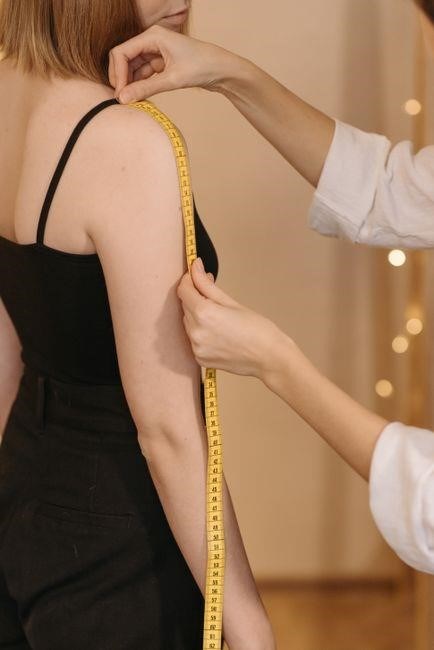
Measuring with a Flexible Tape
Begin by selecting a soft, non‑stretchable measuring tape․ Position the tape just above the wrist bone, where a watch typically sits․ Ensure the tape is snug but not tight, allowing a small gap for comfort․ Mark the point where the tape meets its starting edge․ Record the measurement in millimeters․ Repeat the process to confirm consistency; a difference of more than 2 mm may indicate an error․ If the tape is too long, trim the excess; if it’s too short, use a longer tape․ For those with thicker wrists or larger forearms, consider adding a 5‑mm tolerance to accommodate a steel bracelet’s inherent slack․ Once the measurement is confirmed, compare it to the sizing chart provided by the watch manufacturer․ This comparison will guide you in selecting the appropriate lug‑to‑lug distance and case diameter․ Remember, a well‑measured wrist ensures a watch that sits comfortably and looks proportionate, reducing the risk of slipping or discomfort during daily wear․ Additionally, consider the watch’s crown placement and the ease of adjusting the strap or bracelet․ A well‑fitted watch should not press too hard against the skin, yet should stay secure during movement․ Test the watch on a relaxed wrist, then during light activity to ensure it remains comfortable and stable․ Finally, remember that personal preference and style also influence the ideal size, so try multiple options if possible․ Feel free to consult a watchmaker for precise fitting․!!
Measuring with a Strip of Paper
Take a plain sheet of paper, fold it into a long strip, and wrap it snugly around the wrist just above the knuckle․ Mark the spot where the two ends meet, then lay the strip flat and measure the length in millimeters․ This method is especially useful when a tape measure is unavailable or when you prefer a quick, low‑cost approach․ Ensure the paper is not creased, as folds can distort the true circumference․ After measuring, compare the result to the watch’s recommended wrist range; most brands provide a chart that correlates millimeter ranges to case sizes․ If your measurement falls near the upper limit of a size, consider a slightly larger case to avoid a tight fit, especially if you plan to wear a thick bracelet․ Conversely, a measurement near the lower limit may require a smaller case or a strap with fewer links․ Always allow a small tolerance—typically 3–5 mm—to accommodate natural movement of the wrist and slight expansion of the strap material․ Once you have the accurate wrist size, you can confidently select a watch that balances comfort, style, and functionality․ By following these steps, you’ll ensure a watch that fits comfortably and looks proportionate on your wrist․ Enjoy! 🙂!!!!!!

Choosing the Right Watch for Your Wrist Size
After determining your wrist circumference, the next step is matching that measurement to a case that feels neither cramped nor overly loose․ Start by consulting the brand’s sizing chart, which typically lists acceptable wrist ranges for each case diameter․ For example, a 40 mm case may be suitable for wrists 140–170 mm, while a 44 mm case might require 160–190 mm․ If your measurement sits near the upper boundary, consider a slightly larger case or a strap with fewer links to avoid a tight feel during movement․ Conversely, a wrist on the lower end of a size range may benefit from a smaller case or a thicker strap to maintain a secure fit․ Always factor in the lug‑to‑lug distance: a longer distance can make a larger case appear more balanced on a smaller wrist․ Additionally, the case thickness influences comfort; a thicker case may feel bulky, especially when paired with a narrow strap․ When selecting a strap, match the lug width to the case’s lug width; mismatched widths can cause the strap to sit unevenly․ Finally, test the watch on your wrist for at least 30 minutes to ensure it stays in place during daily activities․ By combining accurate measurements with careful consideration of case dimensions, lug spacing, and strap compatibility, you’ll find a watch that not only looks proportionate but also feels comfortable throughout the day․ This method guarantees a watch that fits well, looks proportionate, and feels comfortable throughout daily wear․ Enjoy!